
Kensington & Kingsford Face Surge in Co-Living Rooms That Don’t Count as Homes

More than 5,000 new rooms are planned across Kensington & Kingsford, yet not one will count as a “home” under official housing targets — a gap that is reshaping how these suburbs grow and who gets to live there.


A Growing Pipeline Near UNSW

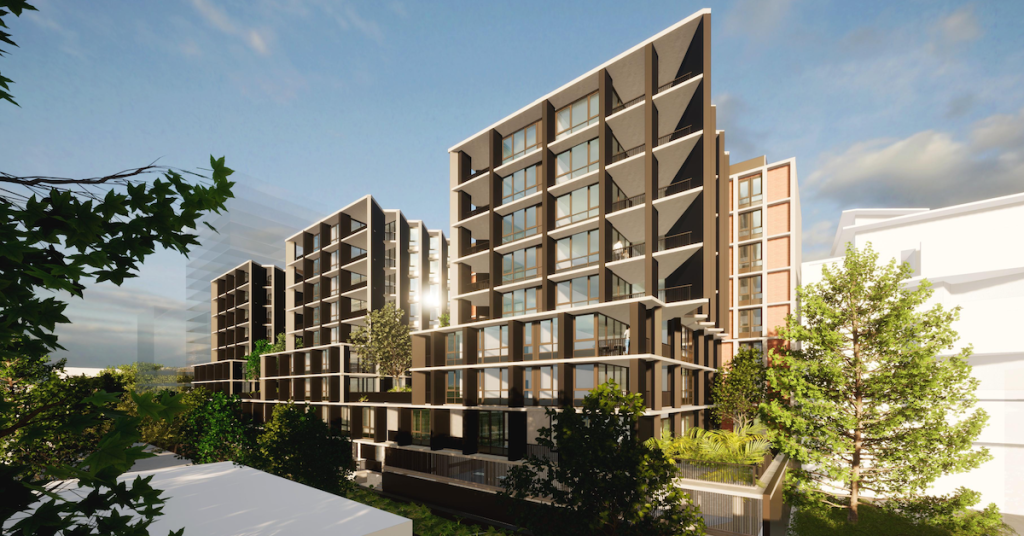
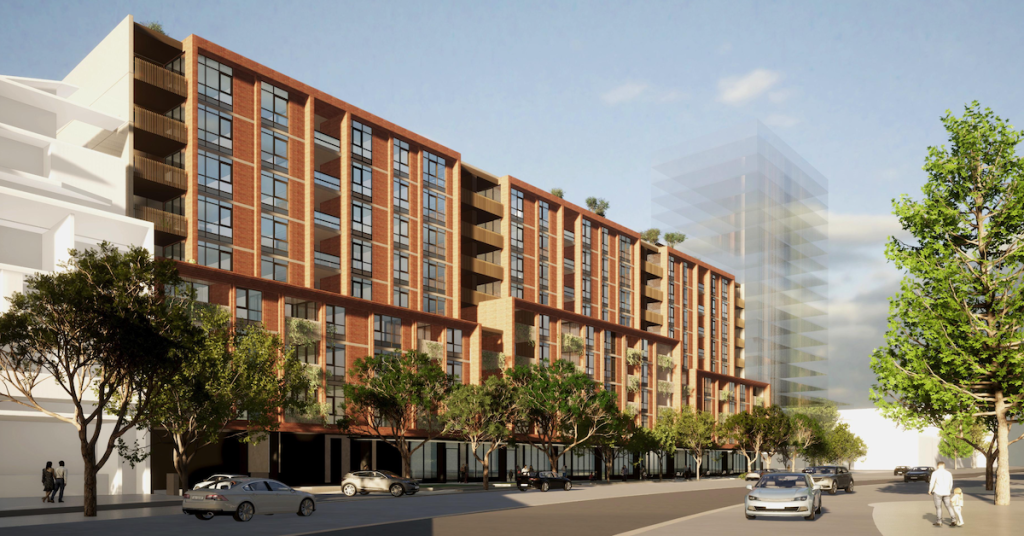
Plans for around 5,200 co-living rooms have been approved or are in the pipeline across Kensington and Kingsford. Most of these developments are clustered near the University of New South Wales, where demand for student housing remains high.
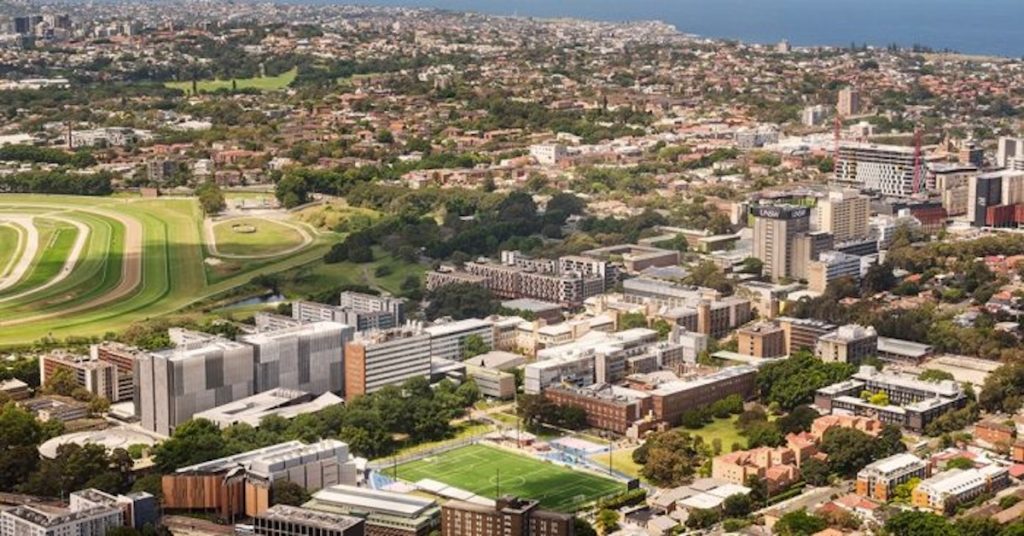
Photo Credit: UNSW


At the same time, fewer than 500 traditional apartments are expected to be built in the same areas. This means co-living projects make up the vast majority of new residential development locally.

Council figures show that co-living now dominates the development mix, raising concerns about the long-term shape of neighbourhoods in these suburbs.

What are Co-Living Spaces? 

Co-living buildings are designed with small private bedrooms and shared kitchens, lounges and other spaces. Under NSW planning rules introduced in 2021, rooms can be as small as 12 square metres for a single occupant.

While these developments were first aimed at students, they are now also marketed to young workers and others looking for more affordable rent close to transport and jobs.

Rents for co-living rooms sit slightly below standard rentals in Sydney, but the main advantage for developers is the ability to house more people on a single site.

Despite the large number of new rooms, co-living developments are not counted as “dwellings” under the housing targets set for councils.

Randwick Council is required to deliver about 4,000 new homes by 2029 under state and national housing plans. Because co-living rooms fall outside the official definition, they do not contribute to that total.

This has created a gap between what is being built and what is counted, leaving councils under pressure to meet targets even as new accommodation continues to rise.

Local Concerns About Community Balance

Council reports suggest that relying heavily on one type of housing could limit the mix of people living in Kensington and Kingsford. There are concerns that fewer family-sized homes may be built if sites are taken up by co-living projects.

Randwick has also pointed to possible impacts on local businesses and community life if the population becomes more short-term and student-focused.

In response, new planning controls have been introduced, including requirements for larger rooms and improved design standards.
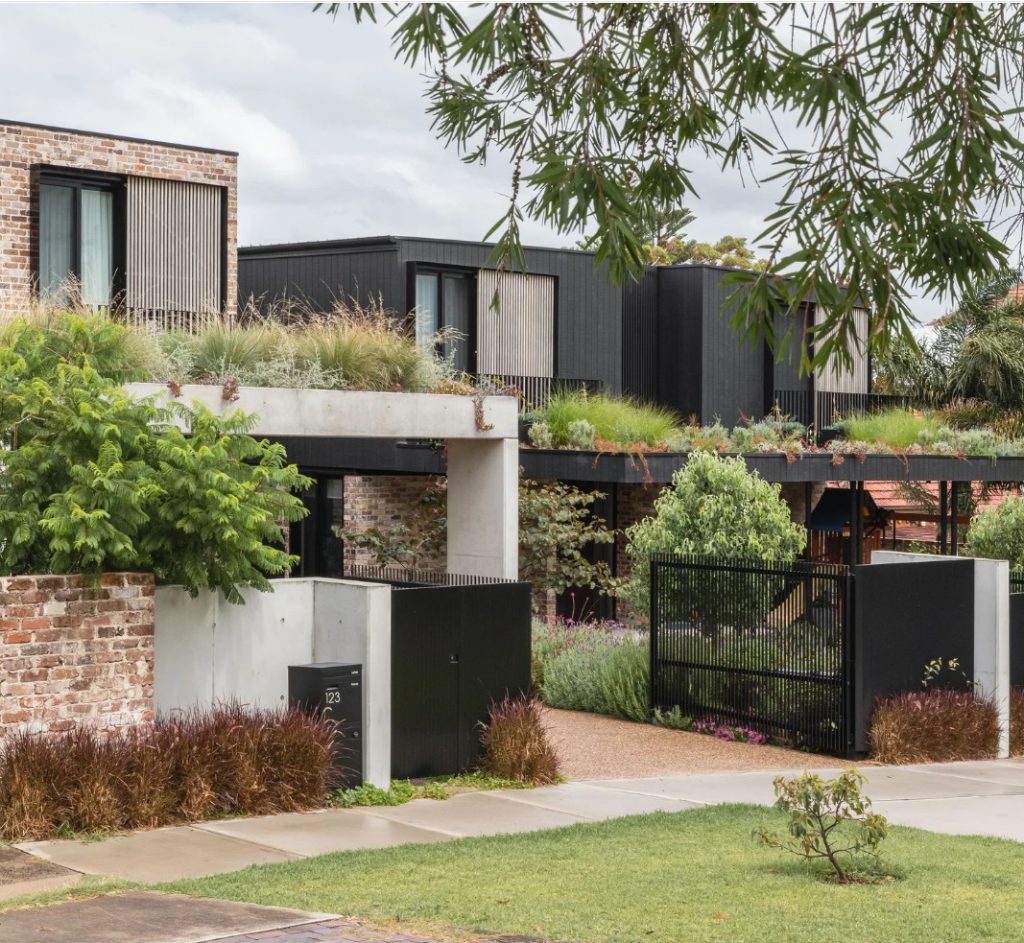
Photo Credit: RandwickCityCouncil

A Divided View on Housing Needs

Students and housing advocates see co-living as a necessary part of the solution to Sydney’s tight rental market. They argue that housing close to universities helps reduce pressure on the wider rental pool.

Others say the current trend risks limiting long-term housing supply if too many sites are used for developments that do not count towards official targets.

Across Sydney, similar projects are being planned in suburbs like Alexandria, Ryde and Campsie, showing that the shift is not limited to Kensington and Kingsford.


Randwick Council has asked the NSW government to review how co-living is counted in housing targets. At the same time, developers continue to lodge new proposals, and the number of projects shows no sign of slowing.

Published 26-March-2026

UNSW Kensington Study Led By Dr Walker Examines Long-Distance Animal Calls

A UNSW Sydney study led from its Kensington campus has examined how mammals communicate over long distances, identifying the main factors that influence how far animal calls can travel.


Research Led From Kensington

The study was led by Dr Ben J.J. Walker, an Adjunct Fellow in the School of Biological, Earth and Environmental Sciences at UNSW Sydney’s Kensington campus.

It analysed long-distance vocalisations from 103 mammal species using data compiled from 81 research papers. The findings were published on 11 March 2026 in the Journal of Mammalian Evolution.

Species examined included lions, koalas, whales and humans, with the research focusing on how communication range varies across environments.

UNSW Sydney
Photo Credit: UNSW Sydney

Different Drivers On Land And In Water

The findings identified a clear difference between terrestrial and aquatic mammals.

In marine environments, body size was the main influence on how far calls can travel. Larger mammals produce sounds that carry further. Blue whales, weighing about 150 tonnes, can generate calls that travel up to 1,600 kilometres in ideal conditions, while smaller mammals such as otters have calls that travel about one kilometre.

On land, communication distance is shaped by several factors. The size of an animal’s home range is a key driver, alongside habitat type, the purpose of the call, and whether the species is social or solitary.

Habitat And Behaviour Shape Outcome

Territorial calls were found to travel further than other call types. Social species also tend to communicate across longer distances than solitary animals.

Habitat also plays a role. Mammals living in dense environments such as rainforests were found to have relatively longer-distance calls than those in open landscapes like savannahs.

Examples highlighted in the study show variation between species. Lion calls can travel up to eight kilometres, while elephant infrasound may extend to around 10 kilometres. Koala calls, by contrast, reach approximately 150 metres.

Kensington animal study
Photo Credit: UNSW Sydney

Environmental Change And Communication Risks

The research indicates that changes to natural habitats may alter how animal calls travel. In cleared environments, sound may carry further than intended, which may increase exposure to predators.

For species adapted to dense vegetation, this shift may create additional risk by changing how their calls function within their environment.

In marine environments, changes in body size linked to environmental pressures may also affect communication. Some whale species have shown reductions in size over time, including a reported 7.3% decrease in maximum body length for North Atlantic right whales since 1981. The study suggests smaller body size may reduce how far calls can travel.

Applications For Biodiversity Monitoring

The findings may support biodiversity monitoring by improving interpretation of acoustic data. Understanding call distance can assist in estimating how far away an animal is and whether multiple individuals are present in recordings.

These insights may assist researchers and field observers in identifying species through sound.

Outlook


The Kensington-led UNSW Sydney study highlights distinct patterns in animal communication across land and water. The findings also point to how environmental changes may influence these systems, with further research expected to expand to other animal groups.

Published 12-Mar-2026

UNSW Researchers Dominate NSW Cardiovascular Awards for Heart Disease Breakthroughs

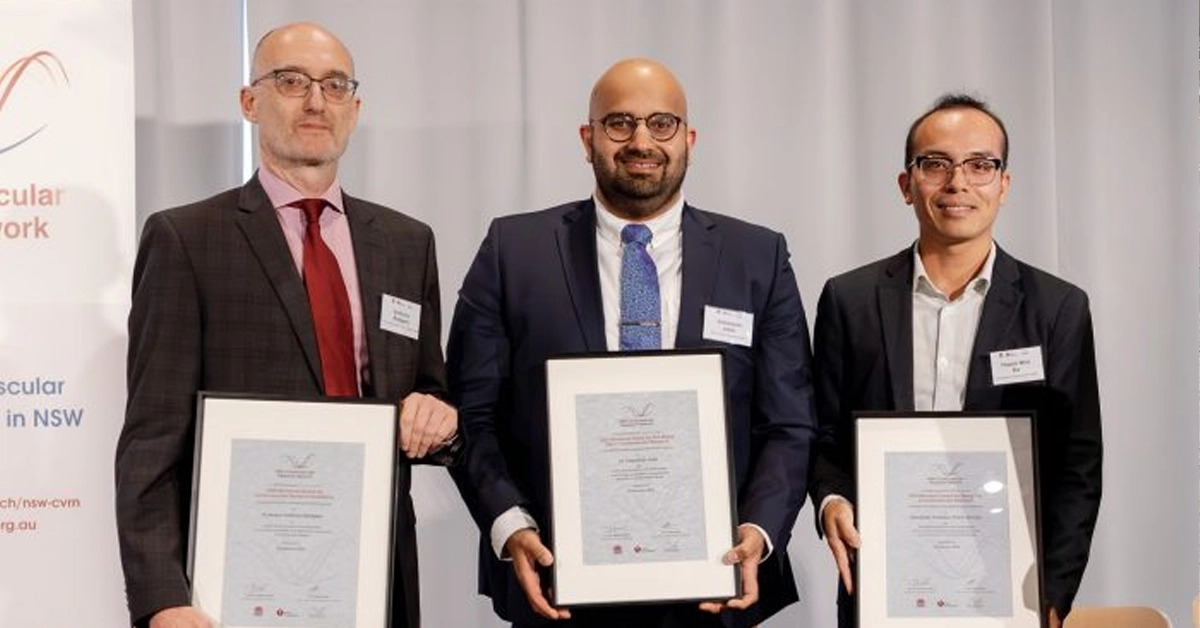
Researchers based at UNSW Sydney have secured three of the four awards presented at the 2025 Cardiovascular Research Network Ministerial Awards for Cardiovascular Research, announced on 25 February 2026.


The awards recognise significant contributions to research addressing cardiovascular disease, diabetes, stroke and renal disease. NSW Minister for Medical Research, the Hon. David Harris, presented the honours to the winners.

Career-Long Commitment to Heart Health

Conjoint Professor Anthony Rodgers from The George Institute for Global Health and UNSW Medicine & Health received the Ministerial Award for Cardiovascular Research Excellence, the program’s highest honour.

Professor Rodgers has devoted more than three decades to cardiovascular research, with particular focus on preventing disease and addressing global health disparities. His work on developing a low-dose triple combination pill for hypertension treatment has progressed from initial concept to an approved medication.

The treatment, which received US Food and Drug Administration approval in 2025 and was added to the World Health Organisation Essential Medicines List, has been shown to reduce the risk of secondary stroke by 40 per cent.

“Research is always a team sport, especially when tackling big, complex challenges, and this award belongs to every team member, past and present, who has contributed to our shared efforts,” Professor Rodgers said.

He noted that gaining regulatory approval and WHO recognition represented important milestones, but emphasised that ensuring access to the treatment in Australia and internationally remains the ongoing challenge.

Bio-Robotics Innovation in Cardiac Care

Scientia Associate Professor Thanh Nho Do from UNSW Engineering’s School of Biomedical Engineering was named winner of the 2025 Ministerial Award for Rising Star in Cardiovascular Research.

Associate Professor Do leads the UNSW Medical Robotics Lab, which he established, and specialises in soft robotics and cardiac devices. The lab’s work aims to provide less invasive and more precise treatment options for heart disease patients.

Recent innovations from the lab include a flexible robot capable of 3D-printing living materials inside the body for organ repair, and an ultra-thin catheter designed to reach deep into the brain to remove clots in stroke and aneurysm cases.

“This award is a great achievement for me and my team. It recognises our ambitious, high-impact research to develop next-generation soft robotic tools for safer, better treatment for doctors and patients,” Associate Professor Do said.

The Medical Robotics Lab has also developed an external bionic heart sleeve that assists failing hearts without direct blood contact, reducing infection risk compared with conventional devices. The team has created a soft robotic artificial heart that replicates natural heart motion and blood flow for device testing and treatment planning purposes.

Advancing Heart Transplant Success

Dr Yashutosh Joshi from Victor Chang Cardiac Research Institute won the Ministerial Award for PhD Rising Star in Cardiovascular Research.

Dr Joshi’s research examined ways to optimise donor heart preservation to expand the number and quality of hearts suitable for transplantation. His work identified critical time factors affecting recipient survival rates and found that blood thinners and a spider-venom derived peptide called Hi1a could substantially improve donor heart protection, potentially increasing transplantation success rates.

Dr Joshi is currently training as a cardiothoracic surgery trainee at Westmead Hospital.


The Cardiovascular Research Network presents these awards annually to acknowledge research contributions in the field of cardiovascular disease and related conditions.

Published 25-February-2026

New Kensington Development Aims to Meet Growing Housing Demand

A new apartment project in Kensington is set to reshape part of Sydney’s inner-east, as developer TOGA moves to address what it says is a shortage of homes for buyers in an area long dominated by student housing and short-term accommodation.


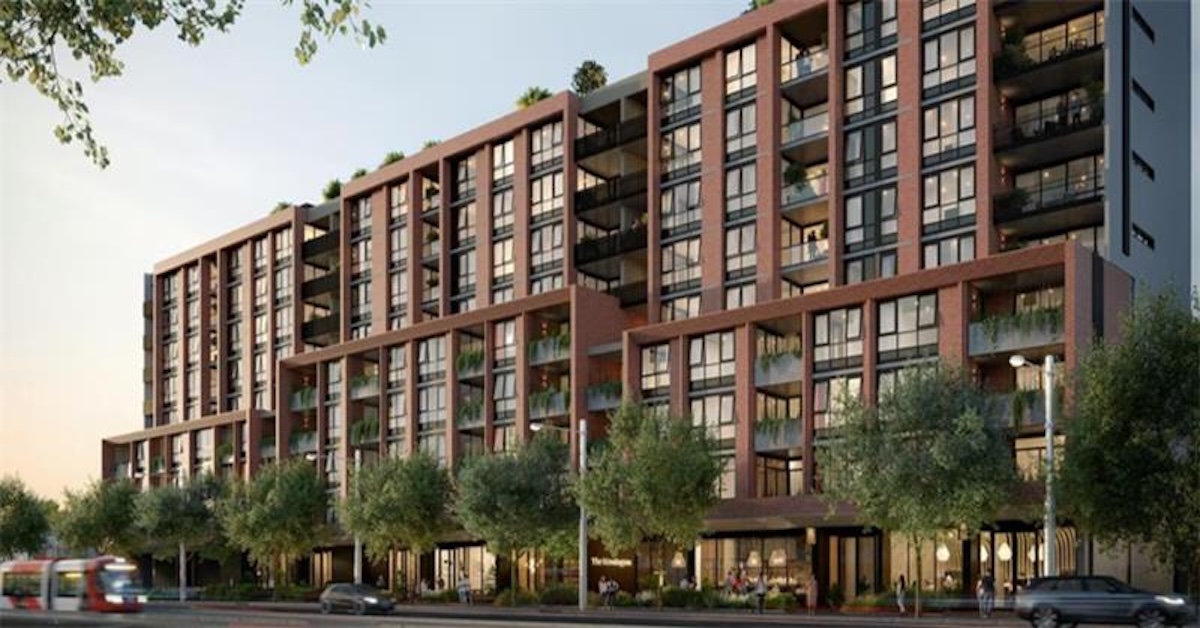
The project, known as The Kensington, is under construction at 147–151 Anzac Parade and is expected to be completed in mid-2026.

A Response to Local Housing Demand

The development follows growing demand for permanent housing near the University of New South Wales and the Randwick Health Precinct, where many workers and long-term residents seek homes close to employment, transport and services. TOGA identified a gap in market-ready apartments for buyers in Kensington despite strong activity in student accommodation.

Company representatives said the project is designed for owner-occupiers and local residents looking to downsize from larger homes in the area without reducing living space. The development will deliver 142 apartments, including two-bedroom and three-bedroom residences with relatively large floor areas compared with typical inner-city units.

The project also includes five street-level retail spaces along Anzac Parade. These are expected to support daily needs for residents and nearby households, with services such as a small supermarket, cafés, a pharmacy and personal care providers planned.

Photo Credit: NSW Planning Portal

Focus on Connectivity and Community Living

Located directly opposite the Kensington Light Rail stop, the site offers quick connections to Sydney’s central business district, major hospitals and educational facilities. The location places future residents within reach of employment hubs, public transport and established neighbourhood amenities.

Photo Credit: NSW Planning Portal

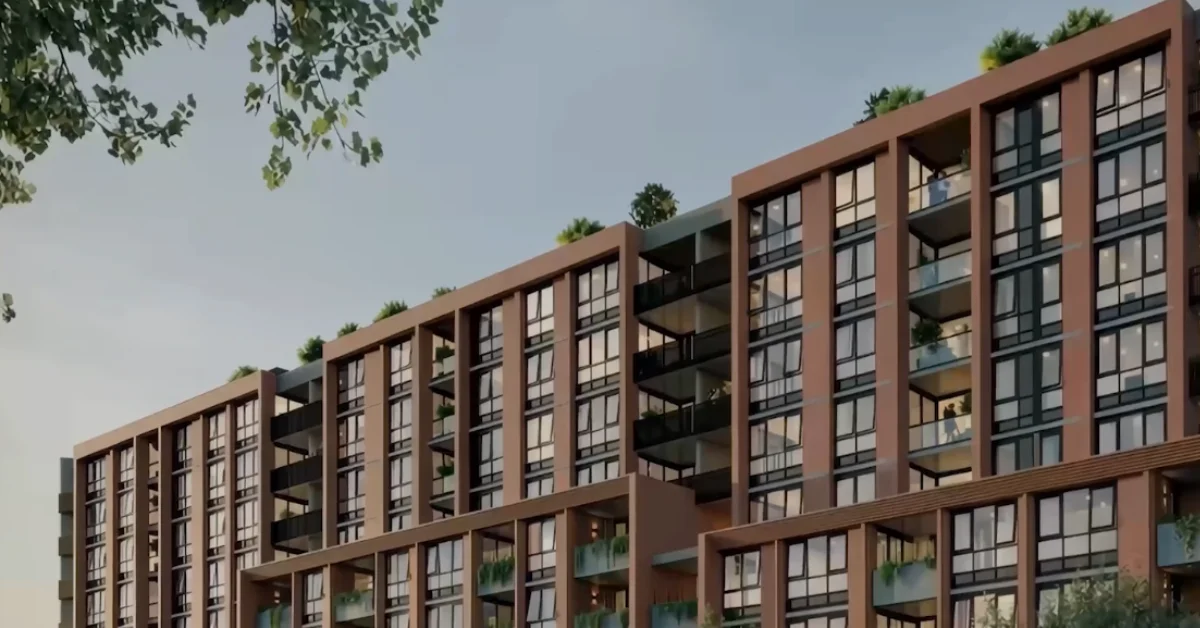
The building has been designed by Turner Studio and will include a rooftop garden with views towards Randwick Racecourse and Centennial Parklands. Some apartments will follow a SOHO-style layout, allowing residents to run small businesses or work from home.

Industry reports state that TOGA appointed DASCO, an iCIRT-rated builder, to deliver the project, reflecting efforts to meet construction and quality standards. The developer previously completed large-scale projects such as Surry Hills Village and a two-tower residential complex in Macquarie Park.

Investment Interest and Market Timing

Property analysts note the project’s completion timing may appeal to both investors and owner-occupiers as market conditions become clearer in the coming years. One-bedroom apartments are reported to start from about $1.03 million, with a limited offer allowing purchases with a five per cent deposit.


Developers suggest the mix of transport access, employment centres and nearby beaches could support long-term property value and demand. The addition of retail spaces and shared amenities is also expected to contribute to the local streetscape and daily life along Anzac Parade.

Published 17-Feb-2026

Moore Park Is Poised To Become Sydney’s Next All-Day Destination

Moore Park is preparing for a transformation that could reshape how Sydney’s inner east lives, moves and unwinds. A major government-backed redevelopment will see half of the historic golf course converted into public parkland, while the neighbouring Entertainment Quarter is lined up for a large-scale overhaul that includes a proposed 20,000-seat indoor arena. Together, the changes are set to turn Moore Park into a precinct where green space, sport and live events intersect — all within walking distance of some of the city’s most densely populated suburbs.

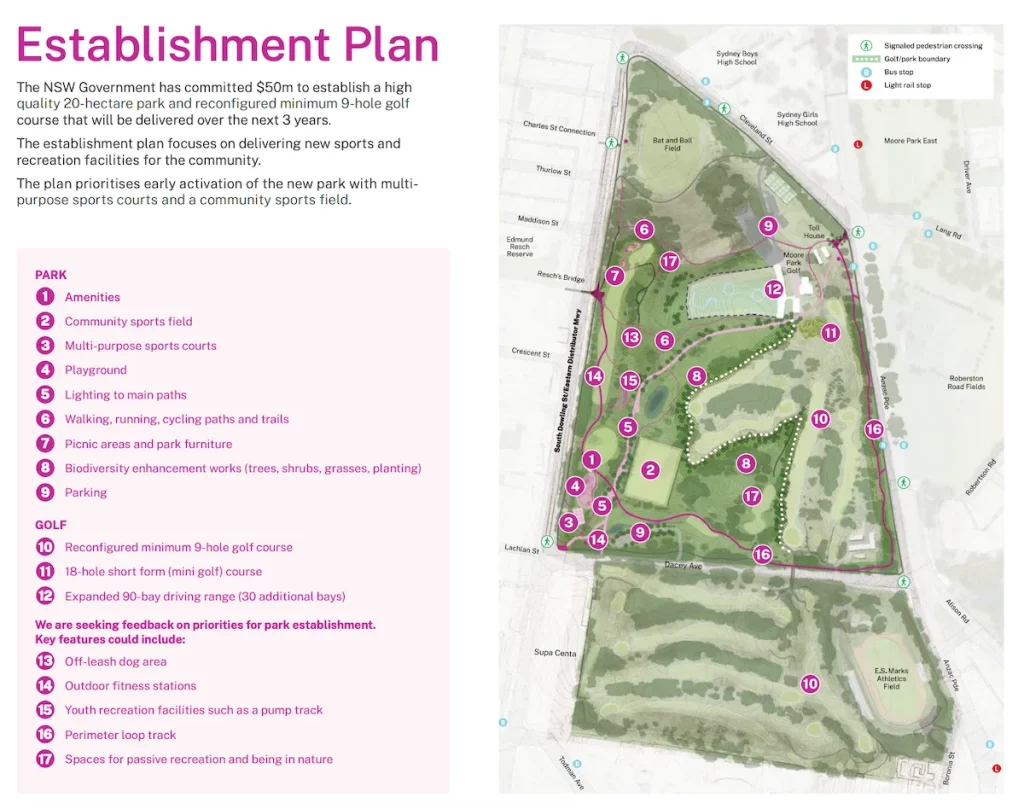
The centrepiece of the transformation is the Moore Park South Establishment Plan, which will convert around 20 hectares of the existing 18-hole golf course into public parkland. According to the plan, the new space will feature walking and cycling trails, open lawns, picnic areas and landscaped gardens, creating much-needed outdoor space for nearby communities including Zetland, Waterloo, Redfern and Green Square. The remaining golf facilities will be retained, with a nine-hole course and expanded driving range continuing to operate alongside the new park.

The NSW Government has committed $50 million to deliver the project, following earlier funding for design and consultation. Construction is expected to begin after the current golf lease expires in mid-2026, with staged openings from late 2026 and full completion anticipated by the end of 2028.

Community consultation has played a key role in shaping the proposal, with residents encouraged to provide feedback on how the park should function and what facilities it should include.

Just north of the golf course, the Entertainment Quarter is also set for a major reinvention. The 11-hectare precinct, currently leased by a private consortium, is the subject of an open tender process as the state government looks for a development partner to help reposition the site as a cultural and entertainment hub. Central to the proposal is a 15,000 to 20,000-seat indoor arena, which the government says would fill a long-standing gap in Sydney’s live performance infrastructure.

Music and Night-time Economy Minister John Graham has described the proposed venue as a way to bridge the space between mid-sized theatres and large stadiums, helping attract major touring acts and boosting the city’s night-time economy. Additional elements under consideration include public plazas, hospitality venues and creative industry spaces, with an emphasis on keeping the precinct accessible and largely public.

Urban planners and community advocates say the parallel redevelopments present an opportunity to better connect Moore Park’s existing landmarks, including the Sydney Cricket Ground and Allianz Stadium, with new green space and entertainment facilities. Improved pathways and shared public areas are expected to make the precinct easier to navigate while encouraging people to spend more time in the area beyond major event days.

By the end of the decade, Moore Park is expected to function as more than just a sports and events zone. With new parklands opening during the day and expanded entertainment options drawing crowds at night, the precinct is being positioned as a place for everyday recreation as well as headline events. Urban Taskforce CEO Tom Forrest has previously said the redevelopment could help “stitch together” Sydney’s cultural and entertainment assets, creating one of the city’s most vibrant and connected precincts.

Published 26-Dec-2025

New Randwick Children’s Health Facility Offers Boost for Families in Kensington Area

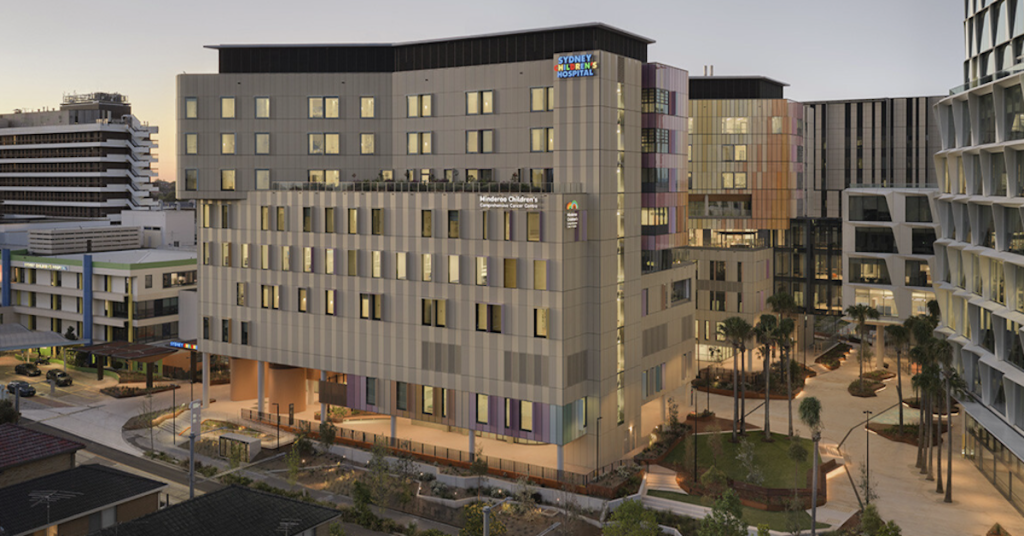
Families in Kensington and neighbouring suburbs are set to benefit from a new children’s health facility in Randwick that promises to connect clinical care, research and community support under one roof.

Formally opened this month, the centre brings together specialist treatment services, health professionals and research teams with the aim of improving outcomes for children and young people. The initiative reflects a broader commitment to paediatric health in the eastern suburbs, making it a key point of interest for Kensington families who already access services in Randwick.

A Hub for Care, Research and Support

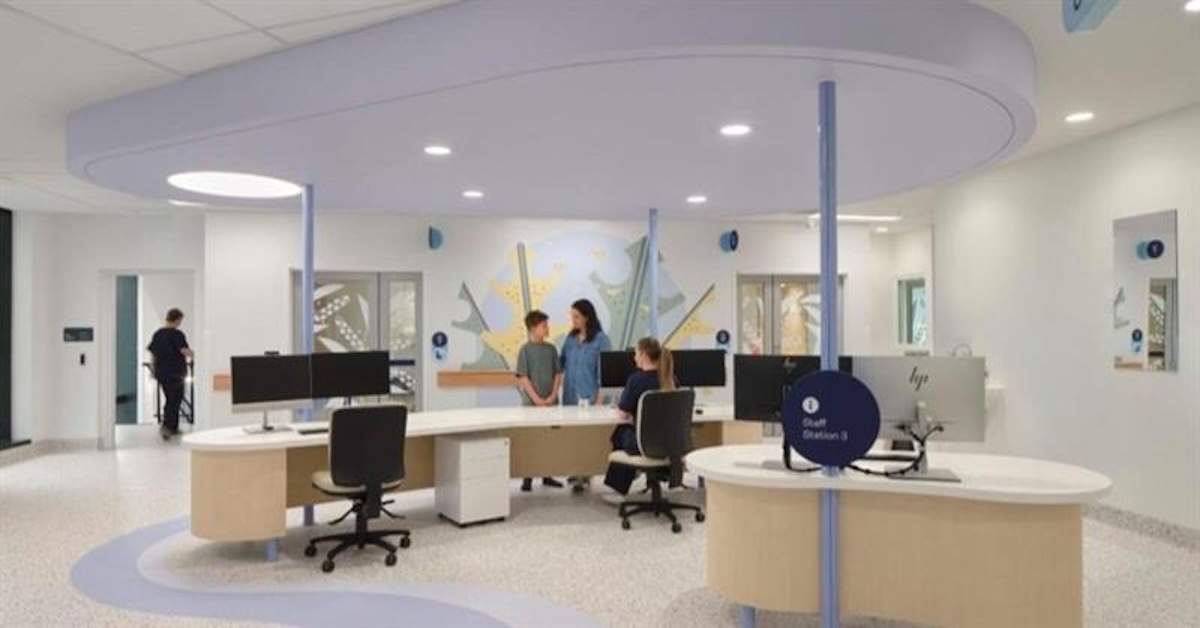
Photo Credit: Tom Roe/BLP/Indesign

The new facility has been purpose-built to combine state-of-the-art clinical services with dedicated research space. This means that families can access treatment and follow-up in the same location where clinicians are actively involved in advancing paediatric care practices.

By integrating care delivery with research, the centre is designed to reduce barriers that families often face when navigating multiple providers or locations. For local communities, this integration can mean fewer travel steps and more coordinated support for children’s health needs.

Bringing Expertise Together

The facility hosts a wide range of services and professionals, including paediatric specialists, allied health providers and dedicated family support teams. By co-locating these services, the centre aims to offer more seamless care pathways for complex or ongoing conditions.

For many Kensington residents with young children, this local hospital precinct is already a familiar part of life. The enhanced connectivity between clinical teams and research units may mean faster access to emerging treatments and a more comprehensive approach to care.

Community and Family Focus

Part of the centre’s purpose is to provide space where families can feel supported beyond the clinical appointment. Waiting areas, consultation spaces and ancillary facilities have been designed with families in mind, creating environments that are welcoming and functional for both patients and carers.

This focus on community experience aligns with broader trends in paediatric health care, which place importance on family involvement and continuity of care.

Impact for Kensington and Neighbouring Suburbs

While the physical facility sits in Randwick, its catchment reaches into Kensington and other surrounding suburbs. Many local families already travel to Randwick for specialist appointments, emergency services and allied health support.

With the new centre now fully operational, this access is expected to become more integrated, potentially easing the burden of managing care across multiple locations.

A Step Forward for Local Health Services

As Kensington families plan for health care needs in the year ahead, the addition of this facility offers a strengthened resource within close reach. It complements existing services available in the area and adds a layer of specialist focus that did not previously exist in such a dedicated form.

Residents with questions about eligibility, appointments or referrals are encouraged to contact the facility directly or speak with their general practitioners for guidance on next steps.

Published 15-Dec-2025

Kensington Sees Ongoing Apartment Growth as New Projects Take Shape

Kensington continues to see steady residential growth, with several apartment developments reshaping parts of the suburb as the year draws to a close. Among the most advanced is The Kensington, a major project on Anzac Parade that is set to add 142 new homes to the area when it is completed in early 2026.


The eight-storey building recently passed a key construction milestone, marking visible progress after months of groundwork and early building stages. While not the only project underway in Kensington, it has become a clear marker of the suburb’s ongoing transition.

A Suburb in Transition

Apartment development has been a growing feature of Kensington in recent years, particularly along major corridors such as Anzac Parade. Proximity to public transport, education precincts and employment hubs has made the suburb a focus for medium-density housing.

Planning approvals across Kensington have aimed to balance increased housing supply with existing neighbourhood character, a conversation that has continued as more projects move from approval into construction.

The Kensington Project

The Kensington development illustrates the scale of change taking place. Once complete, the project will deliver 142 apartments in a single building, making it one of the larger recent additions to the local housing stock.

Construction reached an important stage earlier in the spring, allowing work to progress beyond early structural phases. As of mid-December, activity on site remains ongoing as the project moves toward internal works and finishing stages. Move-in is projected in mid-2026.

What This Means for Locals

The increase in apartment living is expected to bring more residents into Kensington, with flow-on effects for local shops, transport services and public spaces. For long-term residents, the changes are part of a broader pattern of infill development across Sydney’s inner suburbs.

At the same time, council and planners have acknowledged the importance of managing construction impacts and infrastructure demand as population density increases.


Looking Ahead

With projects like The Kensington progressing toward completion in early 2026, further changes to the suburb’s streetscape are expected over the coming year. While individual developments come and go, together they reflect a continuing shift in how Kensington grows and adapts to housing demand.

Published 10-Dec-2025

Kensington’s $250m Apartment Project Reaches Construction Milestone

A $250 million mixed-use development in Kensington has reached its structural milestone, marking progress toward the completion of 142 new apartments and retail spaces along Anzac Parade.


Major Milestone for The Kensington

Construction of The Kensington, developed by TOGA, has reached its topping-out stage, signifying the completion of the building’s main structure. The project is scheduled for completion in early 2026 and will feature a mix of one-, two-, and three-bedroom apartments, along with dual-level SOHO residences that integrate workspace and home living.

The eight-storey development includes ground-floor retail and hospitality tenancies designed to activate Anzac Parade and contribute to the suburb’s growing high-density character.

Anzac Parade
Photo Credit: The Kensington

Expanding Housing Options in Kensington

Kensington continues to evolve into a higher-density, transit-oriented precinct following major infrastructure and commercial upgrades along the light rail corridor. The suburb has attracted over $1 billion in public and private investment, strengthening its role in addressing Sydney’s increasing housing demand.

Under the NSW Housing Accord, Randwick Council has set a target of 4000 additional dwellings by 2029. Kensington, currently home to about 59,000 residences, contributes to this growth as new developments increase local housing availability.

Sydney apartments
Photo Credit: The Kensington

Design and Amenities

The Kensington will offer a range of shared amenities including co-working spaces, social lounges, a games room, library, and a rooftop terrace with city views. Residents will also have access to landscaped communal areas designed to encourage connection and flexibility in modern urban living.

The building’s design was led by Turner Architects, with interiors by Richards Stanisich. Both firms focused on functionality, open layouts, and a seamless transition between indoor and outdoor spaces.

Market Conditions and Demand

Colliers has identified Kensington as one of Sydney’s most supply-constrained apartment markets, with vacancy rates sitting below 2 per cent. Market data varies across sources, with one report noting a 15.4 per cent decline in rents since late 2024, while another recorded a 20 per cent rise over the past year, reflecting differing market snapshots.

Despite this, interest remains high among investors, downsizers, and young professionals drawn to the suburb’s proximity to UNSW, the Randwick Health Precinct, and nearby beaches.

The Kensington
Photo Credit: The Kensington

From Hotel Site to Residential Precinct

The site previously operated as the Addison Hotel before being repurposed as a temporary homeless shelter and later as an OzHarvest supermarket. Its redevelopment into The Kensington marks the site’s transformation into a long-term residential and commercial precinct aligned with the suburb’s broader renewal.

Next Steps


Construction is approaching completion, with apartments expected to be ready for occupancy by early 2026. Once finished, The Kensington will add to the suburb’s growing housing stock and strengthen Kensington’s position as a key growth hub within Sydney’s eastern suburbs.

Published 28-Oct-2025

Totemic Brings New Energy to Todman Square, Kensington

A striking new bronze sculpture by Kamilaroi artist Reko Rennie has transformed Todman Square, Kensington, into a powerful meeting point of culture, community, and contemporary art. The piece, titled Totemic, explores First Nations identity in a modern urban landscape, connecting heritage with community space.


Totemic is part of the New Monumental public art series commissioned by Scape and curated by Vital Commons, an initiative that invites artists to rethink what monuments represent in modern Australia.

The New Monumental series encourages artists to reinterpret the concept of monumentality to reflect the diversity of today’s Australia. Alongside Rennie, the project features works by Ramesh Mario Nithiyendran and Monica Rani Rudhar, each offering a distinct response to the evolving identity of urban spaces.

Rennie’s Totemic stands out for its commanding form and reflective surface that changes with the light and movement of its surroundings at Todman Square. The artist has drawn on traditional Kamilaroi diamond patterns—a recurring motif in his work—to ground the sculpture in cultural continuity. The design extends to the paving beneath the piece, linking ancestral heritage with the city’s contemporary rhythm.

Rennie has long focused on creating art that fosters understanding of First Nations culture and reconciliation through visual storytelling. His goal with Totemic is to encourage public dialogue about Indigenous identity and its place within Australia’s built environment. The sculpture’s reflective bronze surface mirrors its surroundings, encouraging viewers to consider their relationship to place.


Local collaboration was central to bringing the project to life. Support came from the Randwick City Council Art Collection, Scape, Vital Commons, the Gujaga Foundation, David Hagger, and Sculpture Co. Together, these partners contributed to a project that embeds cultural meaning within Kensington’s urban landscape.

Published 22-Oct-2025

End of an Era: Long-Standing Kensington Boarding House Hits Market

It has been likened to the weathered home from the film Up, standing firm while taller neighbours rose around it. But after nearly 50 years, one of Kensington’s last old-style boarding houses looks set to give way to redevelopment.


Read: $171-M Education Building Proposed for UNSW in Kensington


The property at 173–175 Anzac Parade has been held by the Prodromou family since 1975, when patriarch Erotocritos Yianni Prodromou purchased the 607-square-metre site for just $52,000. Now, the two adjoining terraces that operate as an 18-room boarding house are on the market with a price guide of $13.5 million.

Photo credit: realestate.com.au

Agent William Tsagaris from Bradfield BadgerFox launched the expressions of interest campaign last week and said the response had been immediate. He noted that interested buyers were considering a range of options, including purpose-built student accommodation or even a boutique hotel, given the limited supply in the precinct.

The sale comes as no surprise in a suburb that has seen a wave of redevelopment, especially with its proximity to the University of NSW. In recent years, neighbouring sites have sold for $13.8 million and $15.25 million before being replaced with seven- and nine-storey residential towers. The new buildings are filled with compact student studios, some renting for as much as $715 per week, making them highly profitable investments.

Photo credit: Google Street View

Despite its age, the boarding house has remained a solid earner for the Prodromou family through both short-term and long-term leases. But with so few remaining undeveloped parcels in Kensington, the property’s future as student housing or high-rise apartments seems inevitable.


Read: New Apartment Development in Kensington Draws Interest from Professionals and Investors


For many, its sale represents the end of an era — one of the last reminders of the suburb’s earlier streetscape, soon to be overtaken by the changing skyline.

Published 29-August-2025