


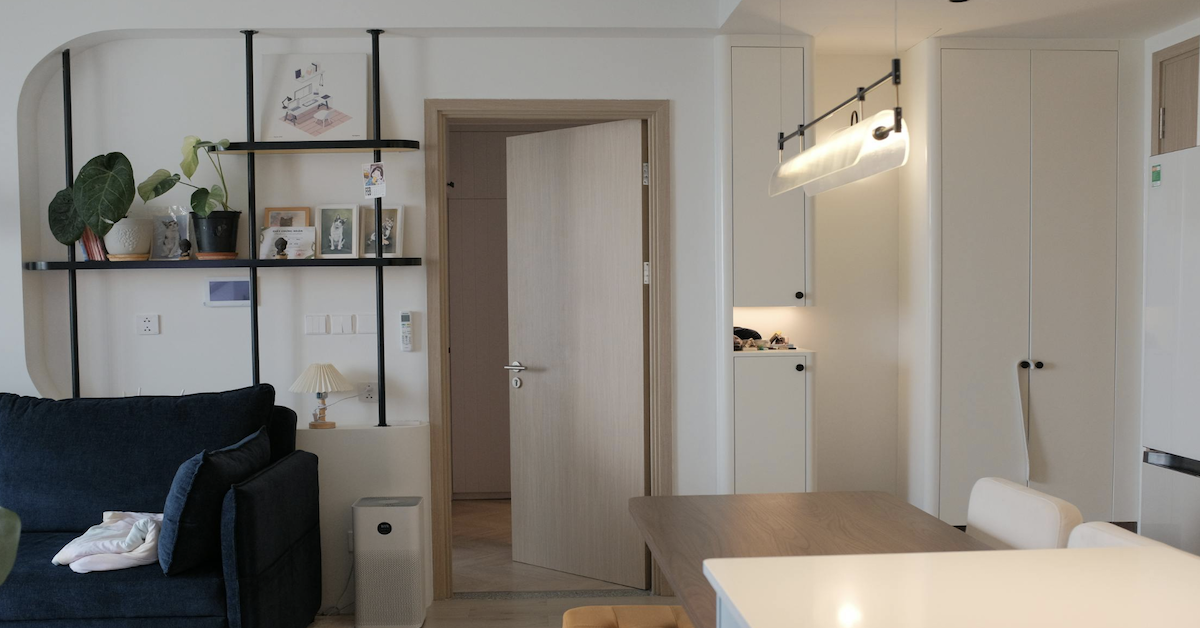
More than 5,000 new rooms are planned across Kensington & Kingsford, yet not one will count as a “home” under official housing targets — a gap that is reshaping how these suburbs grow and who gets to live there.
A Growing Pipeline Near UNSW
Plans for around 5,200 co-living rooms have been approved or are in the pipeline across Kensington and Kingsford. Most of these developments are clustered near the University of New South Wales, where demand for student housing remains high.
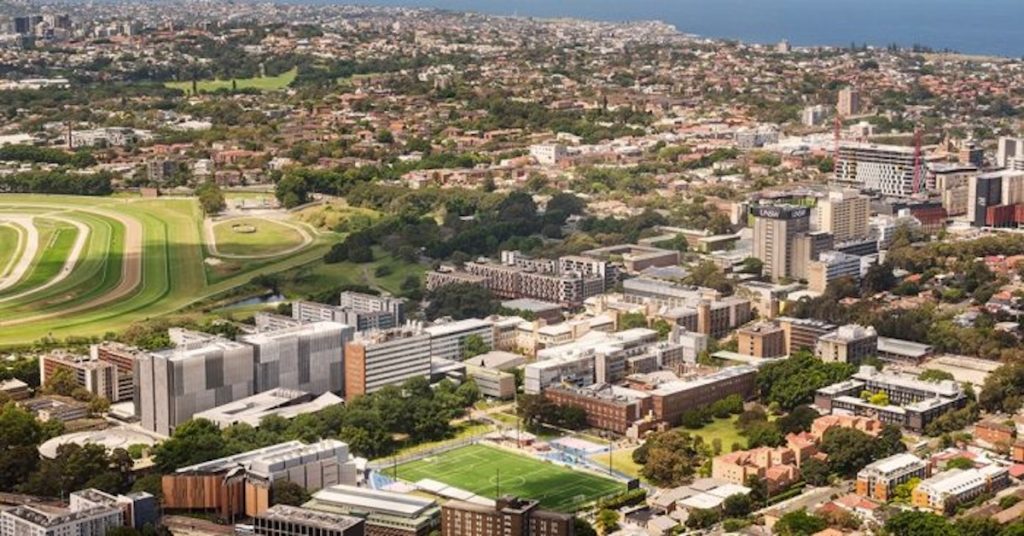
At the same time, fewer than 500 traditional apartments are expected to be built in the same areas. This means co-living projects make up the vast majority of new residential development locally.
Council figures show that co-living now dominates the development mix, raising concerns about the long-term shape of neighbourhoods in these suburbs.
What are Co-Living Spaces?
Co-living buildings are designed with small private bedrooms and shared kitchens, lounges and other spaces. Under NSW planning rules introduced in 2021, rooms can be as small as 12 square metres for a single occupant.
While these developments were first aimed at students, they are now also marketed to young workers and others looking for more affordable rent close to transport and jobs.
Rents for co-living rooms sit slightly below standard rentals in Sydney, but the main advantage for developers is the ability to house more people on a single site.
Despite the large number of new rooms, co-living developments are not counted as “dwellings” under the housing targets set for councils.
Randwick Council is required to deliver about 4,000 new homes by 2029 under state and national housing plans. Because co-living rooms fall outside the official definition, they do not contribute to that total.
This has created a gap between what is being built and what is counted, leaving councils under pressure to meet targets even as new accommodation continues to rise.
Local Concerns About Community Balance
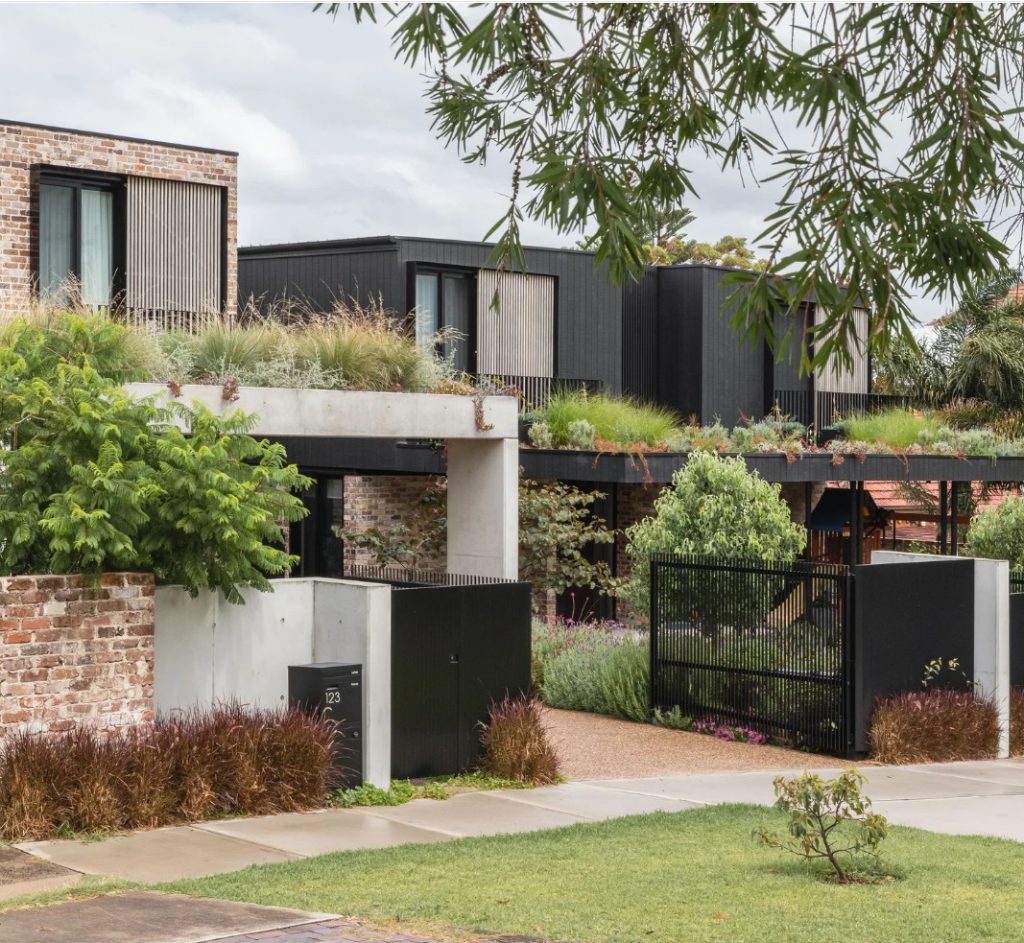
Council reports suggest that relying heavily on one type of housing could limit the mix of people living in Kensington and Kingsford. There are concerns that fewer family-sized homes may be built if sites are taken up by co-living projects.
Randwick has also pointed to possible impacts on local businesses and community life if the population becomes more short-term and student-focused.
In response, new planning controls have been introduced, including requirements for larger rooms and improved design standards.
A Divided View on Housing Needs
Students and housing advocates see co-living as a necessary part of the solution to Sydney’s tight rental market. They argue that housing close to universities helps reduce pressure on the wider rental pool.
Others say the current trend risks limiting long-term housing supply if too many sites are used for developments that do not count towards official targets.
Across Sydney, similar projects are being planned in suburbs like Alexandria, Ryde and Campsie, showing that the shift is not limited to Kensington and Kingsford.
Randwick Council has asked the NSW government to review how co-living is counted in housing targets. At the same time, developers continue to lodge new proposals, and the number of projects shows no sign of slowing.
Published 26-March-2026