

UNSW Kensington Study Led By Dr Walker Examines Long-Distance Animal Calls

A UNSW Sydney study led from its Kensington campus has examined how mammals communicate over long distances, identifying the main factors that influence how far animal calls can travel.


Research Led From Kensington

The study was led by Dr Ben J.J. Walker, an Adjunct Fellow in the School of Biological, Earth and Environmental Sciences at UNSW Sydney’s Kensington campus.

It analysed long-distance vocalisations from 103 mammal species using data compiled from 81 research papers. The findings were published on 11 March 2026 in the Journal of Mammalian Evolution.

Species examined included lions, koalas, whales and humans, with the research focusing on how communication range varies across environments.
UNSW Sydney
Photo Credit: UNSW Sydney

Different Drivers On Land And In Water

The findings identified a clear difference between terrestrial and aquatic mammals.

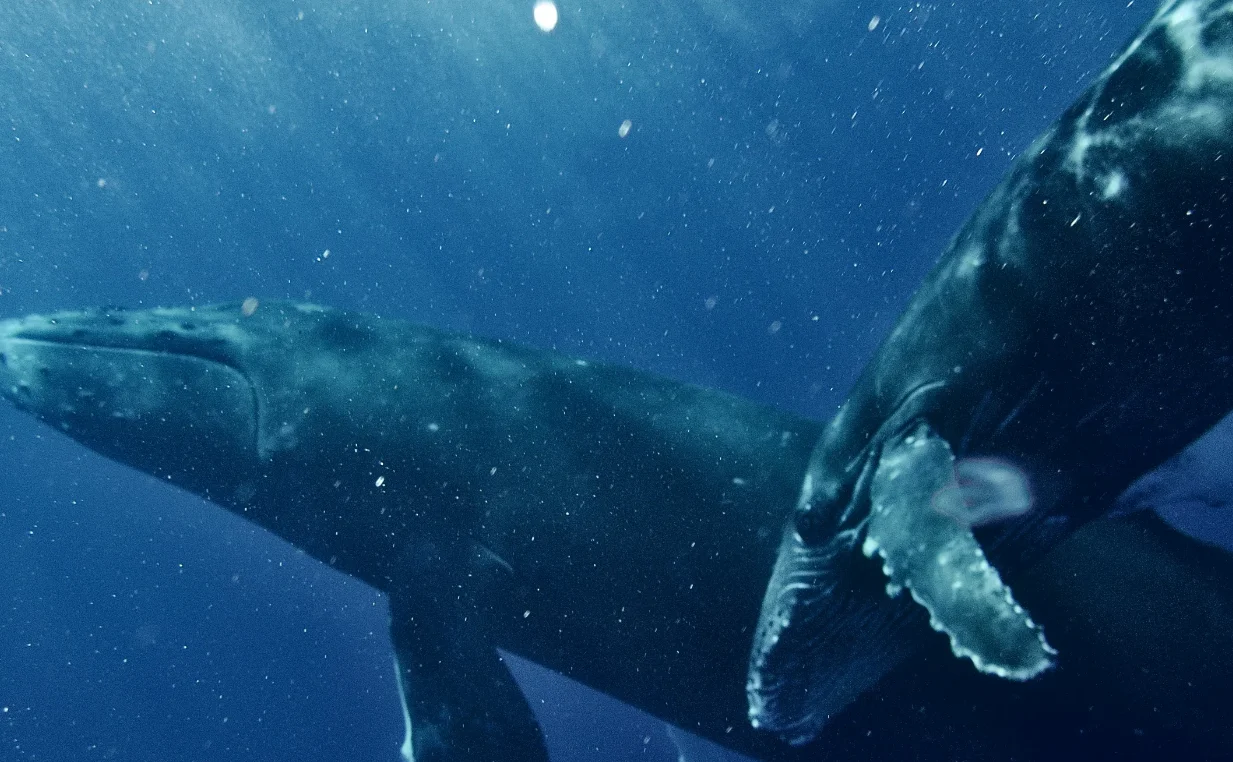
In marine environments, body size was the main influence on how far calls can travel. Larger mammals produce sounds that carry further. Blue whales, weighing about 150 tonnes, can generate calls that travel up to 1,600 kilometres in ideal conditions, while smaller mammals such as otters have calls that travel about one kilometre.

On land, communication distance is shaped by several factors. The size of an animal’s home range is a key driver, alongside habitat type, the purpose of the call, and whether the species is social or solitary.

Habitat And Behaviour Shape Outcome

Territorial calls were found to travel further than other call types. Social species also tend to communicate across longer distances than solitary animals.

Habitat also plays a role. Mammals living in dense environments such as rainforests were found to have relatively longer-distance calls than those in open landscapes like savannahs.

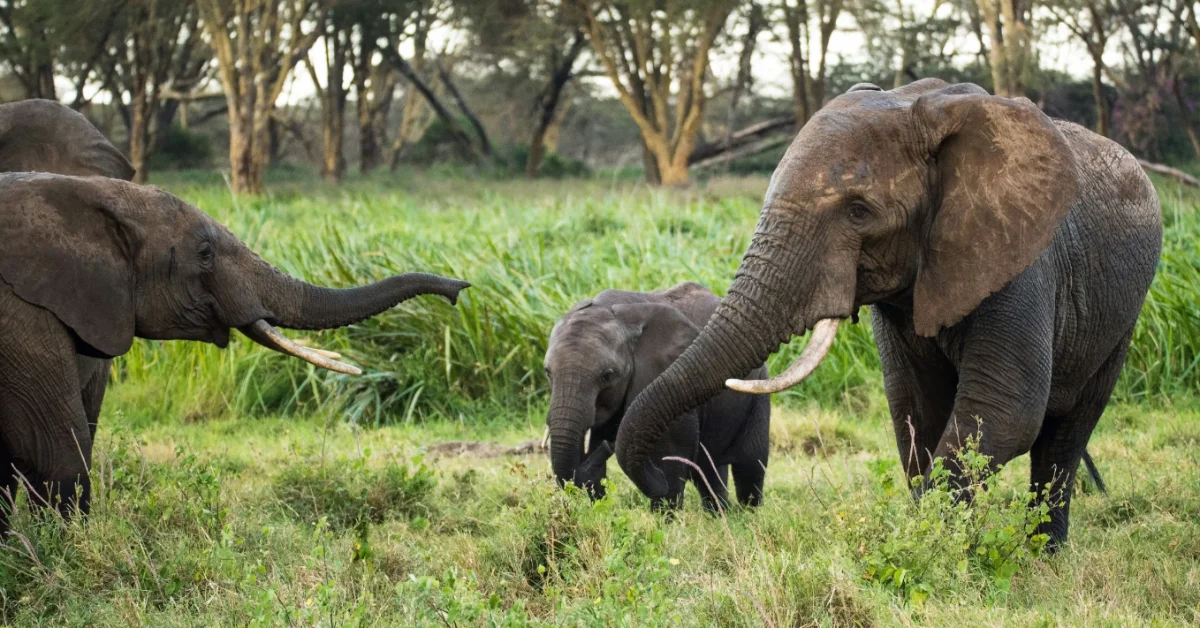
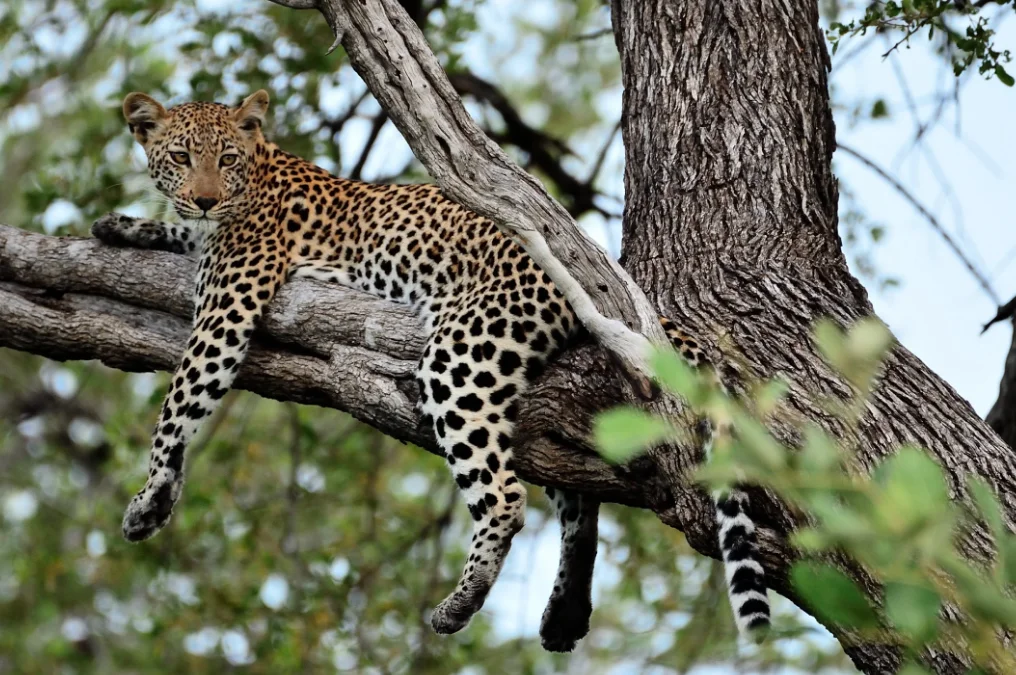
Examples highlighted in the study show variation between species. Lion calls can travel up to eight kilometres, while elephant infrasound may extend to around 10 kilometres. Koala calls, by contrast, reach approximately 150 metres.
Kensington animal study
Photo Credit: UNSW Sydney

Environmental Change And Communication Risks

The research indicates that changes to natural habitats may alter how animal calls travel. In cleared environments, sound may carry further than intended, which may increase exposure to predators.

For species adapted to dense vegetation, this shift may create additional risk by changing how their calls function within their environment.

In marine environments, changes in body size linked to environmental pressures may also affect communication. Some whale species have shown reductions in size over time, including a reported 7.3% decrease in maximum body length for North Atlantic right whales since 1981. The study suggests smaller body size may reduce how far calls can travel.

Applications For Biodiversity Monitoring

The findings may support biodiversity monitoring by improving interpretation of acoustic data. Understanding call distance can assist in estimating how far away an animal is and whether multiple individuals are present in recordings.

These insights may assist researchers and field observers in identifying species through sound.

Outlook


The Kensington-led UNSW Sydney study highlights distinct patterns in animal communication across land and water. The findings also point to how environmental changes may influence these systems, with further research expected to expand to other animal groups.

Published 12-Mar-2026
UNSW Researchers Dominate NSW Cardiovascular Awards for Heart Disease Breakthroughs

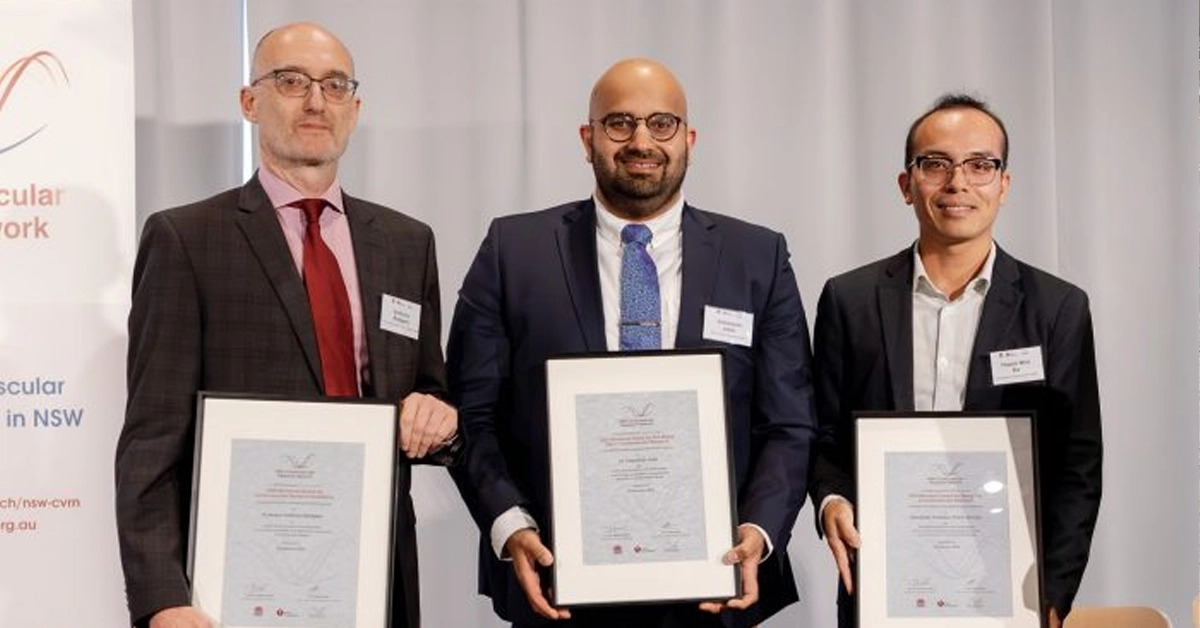
Researchers based at UNSW Sydney have secured three of the four awards presented at the 2025 Cardiovascular Research Network Ministerial Awards for Cardiovascular Research, announced on 25 February 2026.


The awards recognise significant contributions to research addressing cardiovascular disease, diabetes, stroke and renal disease. NSW Minister for Medical Research, the Hon. David Harris, presented the honours to the winners.

Career-Long Commitment to Heart Health

Conjoint Professor Anthony Rodgers from The George Institute for Global Health and UNSW Medicine & Health received the Ministerial Award for Cardiovascular Research Excellence, the program’s highest honour.

Professor Rodgers has devoted more than three decades to cardiovascular research, with particular focus on preventing disease and addressing global health disparities. His work on developing a low-dose triple combination pill for hypertension treatment has progressed from initial concept to an approved medication.

The treatment, which received US Food and Drug Administration approval in 2025 and was added to the World Health Organisation Essential Medicines List, has been shown to reduce the risk of secondary stroke by 40 per cent.

“Research is always a team sport, especially when tackling big, complex challenges, and this award belongs to every team member, past and present, who has contributed to our shared efforts,” Professor Rodgers said.

He noted that gaining regulatory approval and WHO recognition represented important milestones, but emphasised that ensuring access to the treatment in Australia and internationally remains the ongoing challenge.

Bio-Robotics Innovation in Cardiac Care

Scientia Associate Professor Thanh Nho Do from UNSW Engineering’s School of Biomedical Engineering was named winner of the 2025 Ministerial Award for Rising Star in Cardiovascular Research.

Associate Professor Do leads the UNSW Medical Robotics Lab, which he established, and specialises in soft robotics and cardiac devices. The lab’s work aims to provide less invasive and more precise treatment options for heart disease patients.

Recent innovations from the lab include a flexible robot capable of 3D-printing living materials inside the body for organ repair, and an ultra-thin catheter designed to reach deep into the brain to remove clots in stroke and aneurysm cases.

“This award is a great achievement for me and my team. It recognises our ambitious, high-impact research to develop next-generation soft robotic tools for safer, better treatment for doctors and patients,” Associate Professor Do said.

The Medical Robotics Lab has also developed an external bionic heart sleeve that assists failing hearts without direct blood contact, reducing infection risk compared with conventional devices. The team has created a soft robotic artificial heart that replicates natural heart motion and blood flow for device testing and treatment planning purposes.

Advancing Heart Transplant Success

Dr Yashutosh Joshi from Victor Chang Cardiac Research Institute won the Ministerial Award for PhD Rising Star in Cardiovascular Research.

Dr Joshi’s research examined ways to optimise donor heart preservation to expand the number and quality of hearts suitable for transplantation. His work identified critical time factors affecting recipient survival rates and found that blood thinners and a spider-venom derived peptide called Hi1a could substantially improve donor heart protection, potentially increasing transplantation success rates.

Dr Joshi is currently training as a cardiothoracic surgery trainee at Westmead Hospital.


The Cardiovascular Research Network presents these awards annually to acknowledge research contributions in the field of cardiovascular disease and related conditions.

Published 25-February-2026