


A UNSW Sydney study led from its Kensington campus has examined how mammals communicate over long distances, identifying the main factors that influence how far animal calls can travel.
Research Led From Kensington
The study was led by Dr Ben J.J. Walker, an Adjunct Fellow in the School of Biological, Earth and Environmental Sciences at UNSW Sydney’s Kensington campus.
It analysed long-distance vocalisations from 103 mammal species using data compiled from 81 research papers. The findings were published on 11 March 2026 in the Journal of Mammalian Evolution.
Species examined included lions, koalas, whales and humans, with the research focusing on how communication range varies across environments.
Different Drivers On Land And In Water
The findings identified a clear difference between terrestrial and aquatic mammals.
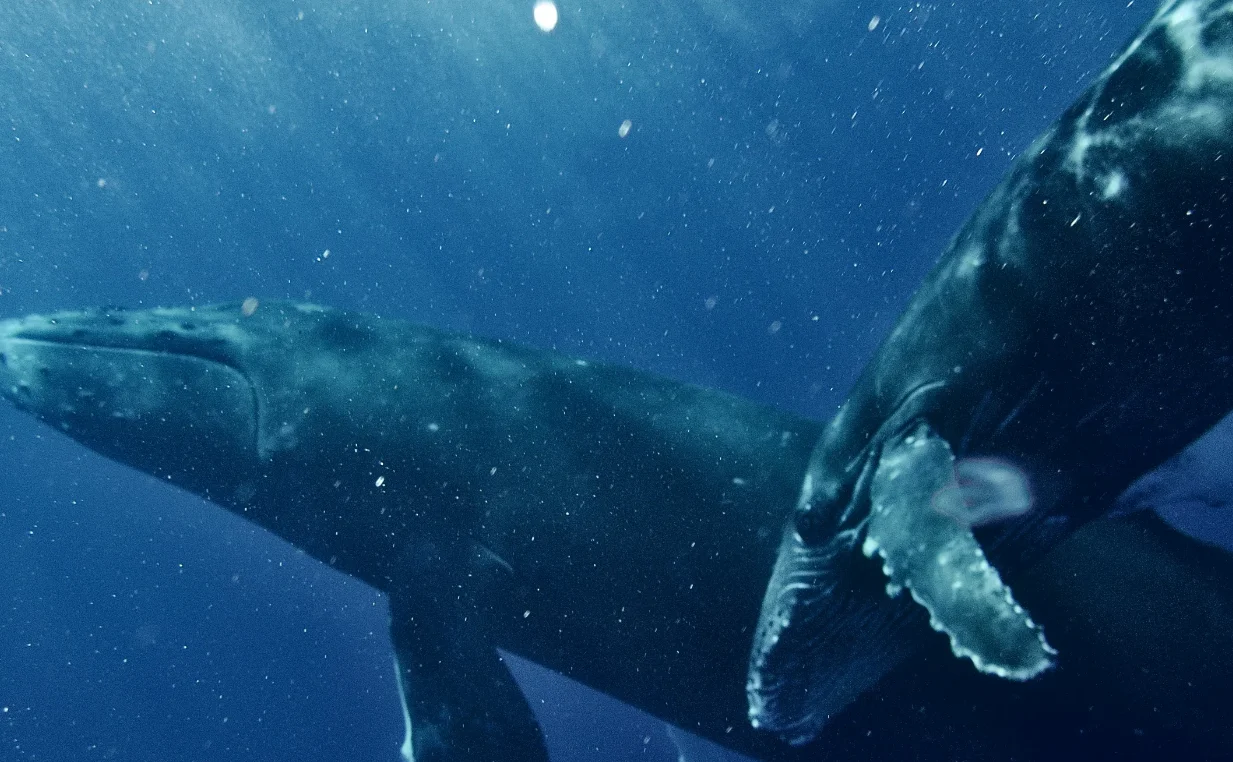
In marine environments, body size was the main influence on how far calls can travel. Larger mammals produce sounds that carry further. Blue whales, weighing about 150 tonnes, can generate calls that travel up to 1,600 kilometres in ideal conditions, while smaller mammals such as otters have calls that travel about one kilometre.
On land, communication distance is shaped by several factors. The size of an animal’s home range is a key driver, alongside habitat type, the purpose of the call, and whether the species is social or solitary.
Habitat And Behaviour Shape Outcome
Territorial calls were found to travel further than other call types. Social species also tend to communicate across longer distances than solitary animals.
Habitat also plays a role. Mammals living in dense environments such as rainforests were found to have relatively longer-distance calls than those in open landscapes like savannahs.
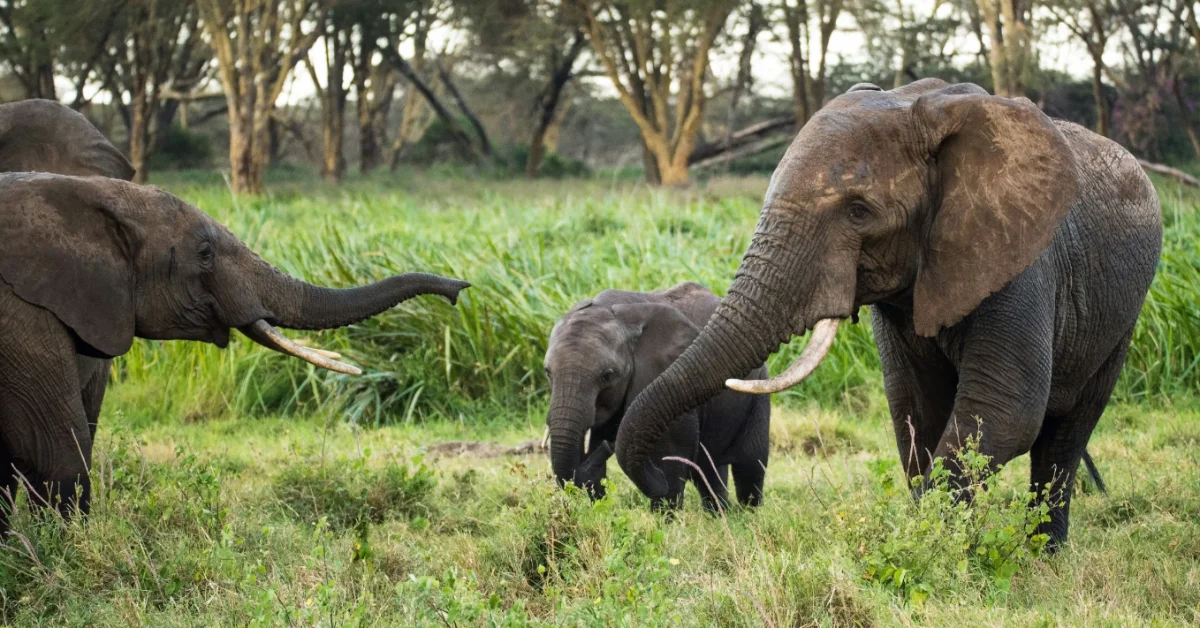
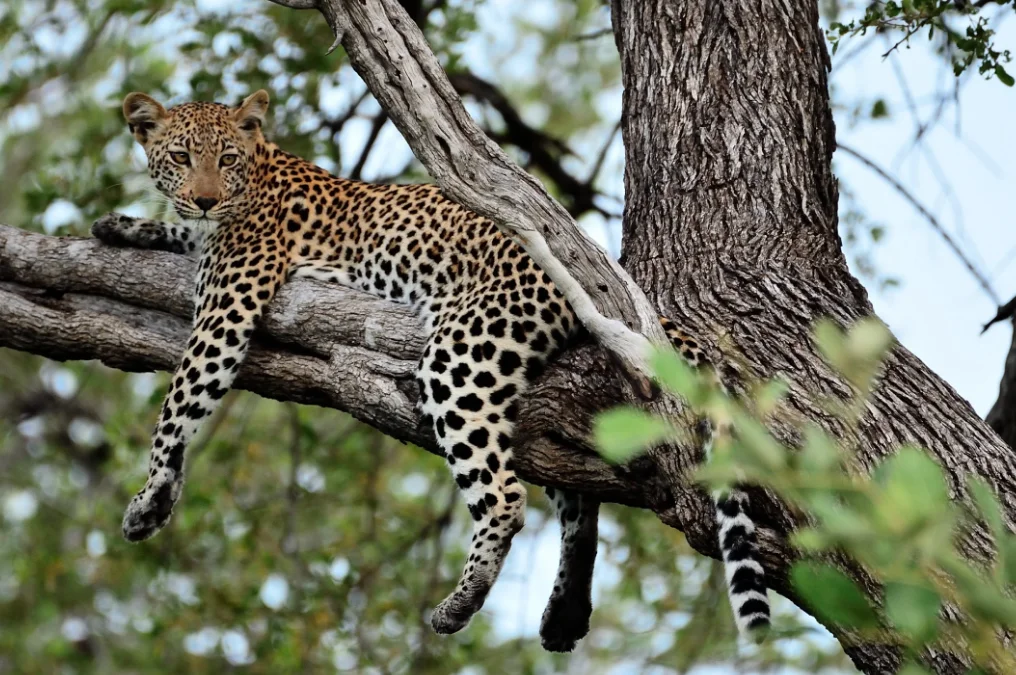
Examples highlighted in the study show variation between species. Lion calls can travel up to eight kilometres, while elephant infrasound may extend to around 10 kilometres. Koala calls, by contrast, reach approximately 150 metres.
Environmental Change And Communication Risks
The research indicates that changes to natural habitats may alter how animal calls travel. In cleared environments, sound may carry further than intended, which may increase exposure to predators.
For species adapted to dense vegetation, this shift may create additional risk by changing how their calls function within their environment.
In marine environments, changes in body size linked to environmental pressures may also affect communication. Some whale species have shown reductions in size over time, including a reported 7.3% decrease in maximum body length for North Atlantic right whales since 1981. The study suggests smaller body size may reduce how far calls can travel.
Applications For Biodiversity Monitoring
The findings may support biodiversity monitoring by improving interpretation of acoustic data. Understanding call distance can assist in estimating how far away an animal is and whether multiple individuals are present in recordings.
These insights may assist researchers and field observers in identifying species through sound.
Outlook
The Kensington-led UNSW Sydney study highlights distinct patterns in animal communication across land and water. The findings also point to how environmental changes may influence these systems, with further research expected to expand to other animal groups.
Published 12-Mar-2026