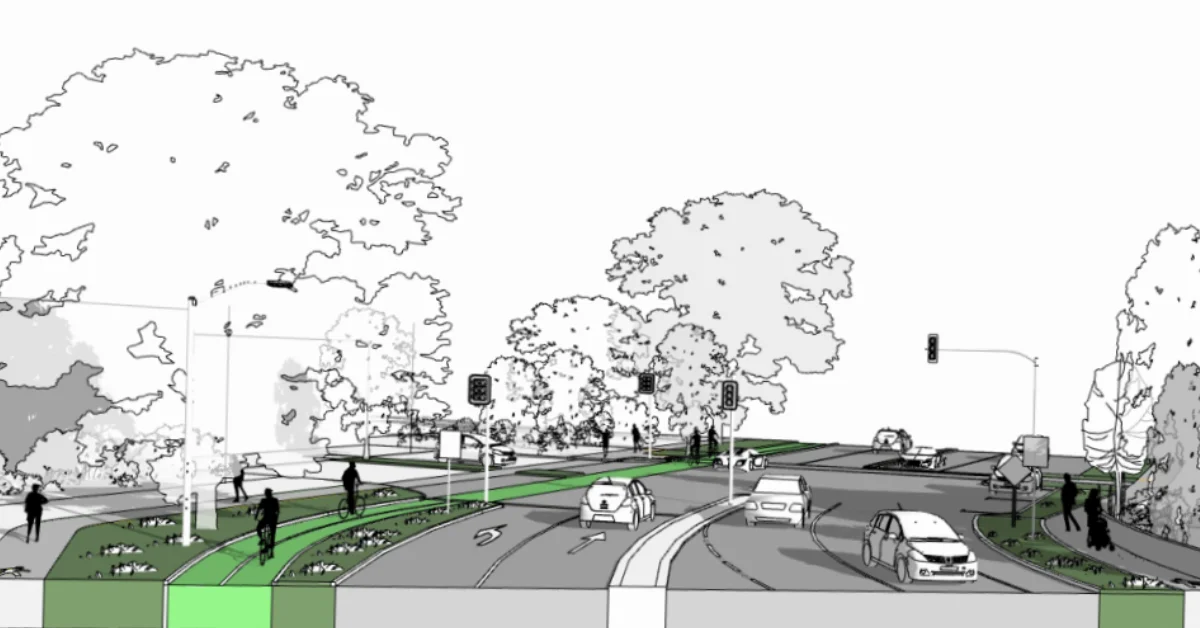
Feedback remains open on the proposed Todman Avenue cycleway in Kensington, with concept plans covering a separated route, new crossings, accessibility improvements and changes to bus stops.
Randwick City authorities have placed the walking and cycling plans on public exhibition from 13 July to 10 August 2026. The Todman Avenue cycleway would run between South Dowling Street and Doncaster Avenue.
Photo Credit: RandwickCityCouncil
Todman Avenue Cycleway Would Extend Existing Links
The route would connect with the existing Kingsford to Centennial Park cycleway and cycling infrastructure in the City of Sydney. Randwick City Council has identified Todman Avenue as an active transport link between Kensington and the neighbouring suburbs of Zetland and Waterloo.
Once completed, the project is intended to improve access between Kensington and UNSW, Green Square station and Waterloo metro station, with onward connections towards the Sydney CBD.
Bicycle NSW and BIKEast have expressed support for progress on the proposal and encouraged people who live, work or ride in Randwick to review the plans. Bicycle NSW listed the project alongside separate consultations for walking and cycling improvements on Anzac Parade and the third stage of the Centennial Park to Kingsford cycleway.
Photo Credit: RandwickCityCouncil
Crossings, Access and Landscaping Included
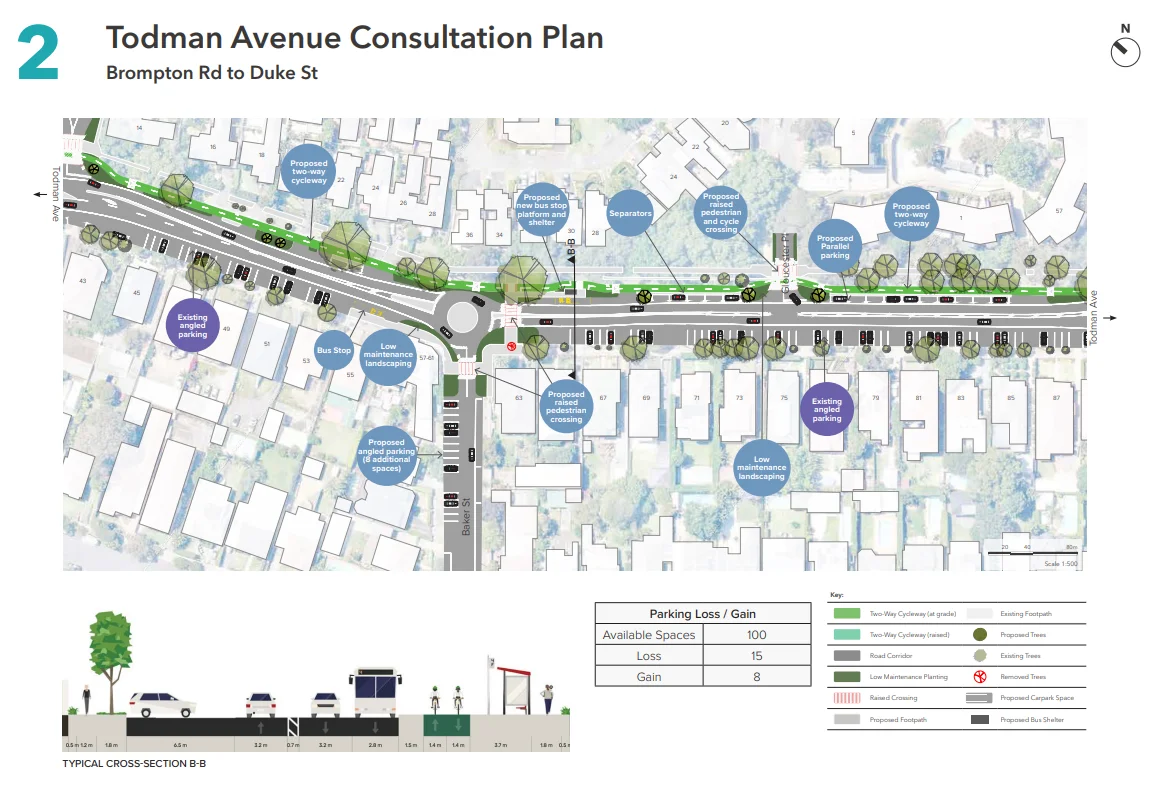
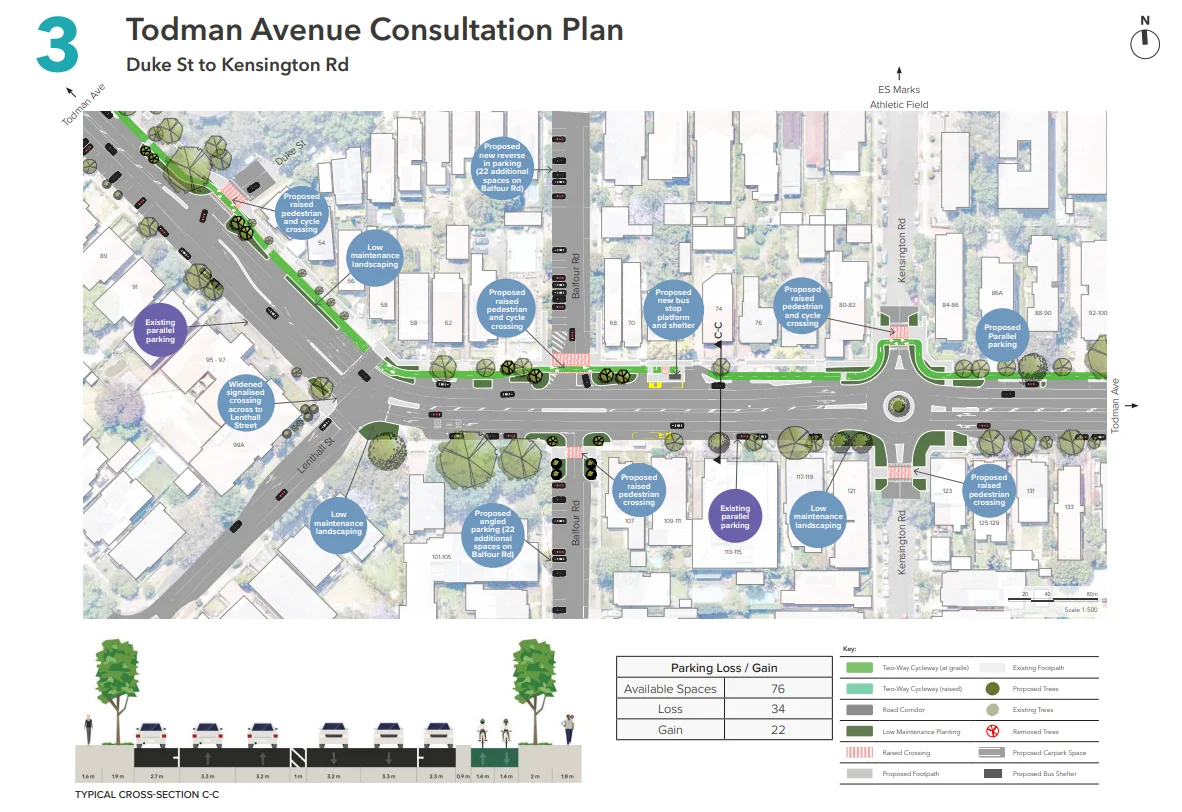
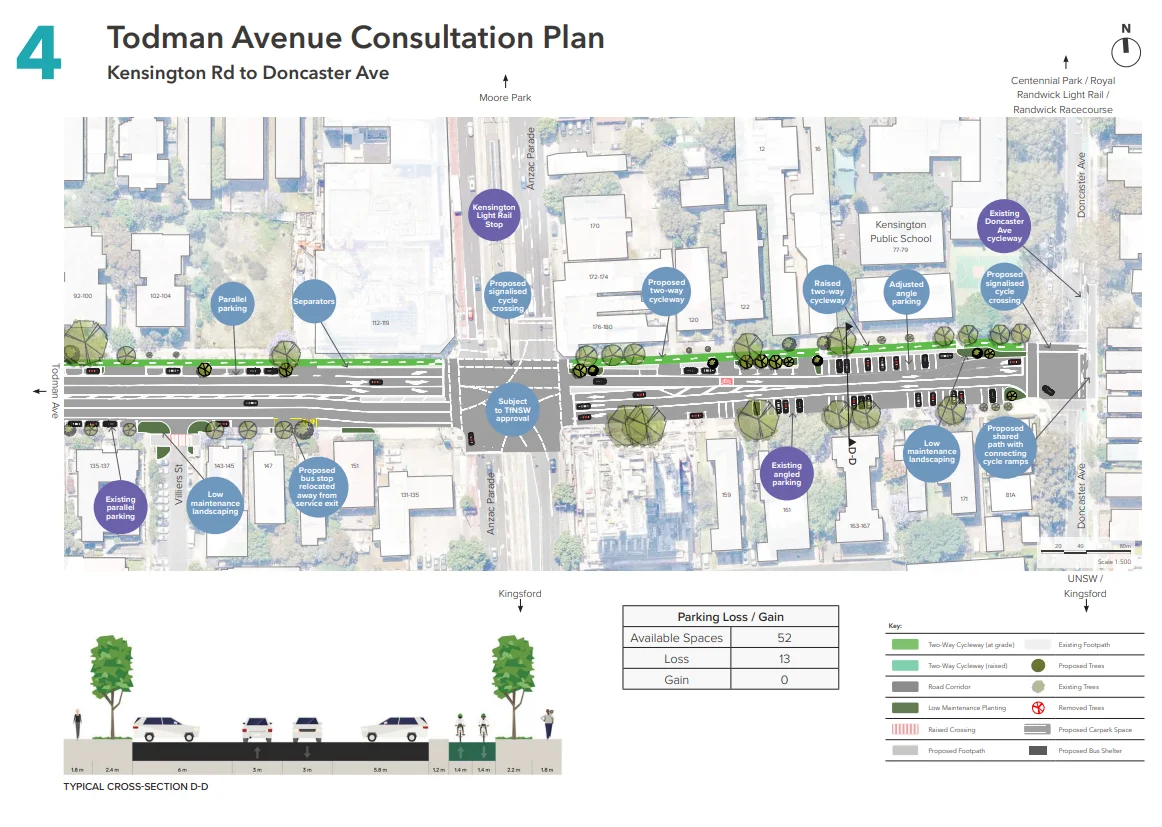
The concept design includes a separated cycleway connecting to existing routes in the Sydney network. New crossings and traffic-calming measures are proposed to improve conditions for pedestrians, cyclists and other road users.
Accessibility changes are also planned for wheelchair users and people with prams. The project would add trees, planting and landscaping along the route.
Bus stops are proposed to be upgraded, with some stops relocated as part of measures intended to improve commuter safety.
Photo Credit: RandwickCityCouncil
Feedback Open Until 10 August
Comments can be submitted through an interactive map or an online submission form. Screen names and comments added to the map will be visible publicly, and the consultation page advises that the mapping tool is better suited to a desktop computer or laptop than a mobile phone.
Photo Credit: RandwickCityCouncil
People who need information in another format or language can contact Randwick City Council on 1300 722 542. Translating, interpreting and relay service details are also available through the consultation page.
Detailed design for the route has been completed, while construction remains a later stage of the project. The NSW Government funded the design development, but construction in future years will depend on further NSW Government funding.
Submissions on the Kensington proposal close on 10 August 2026.
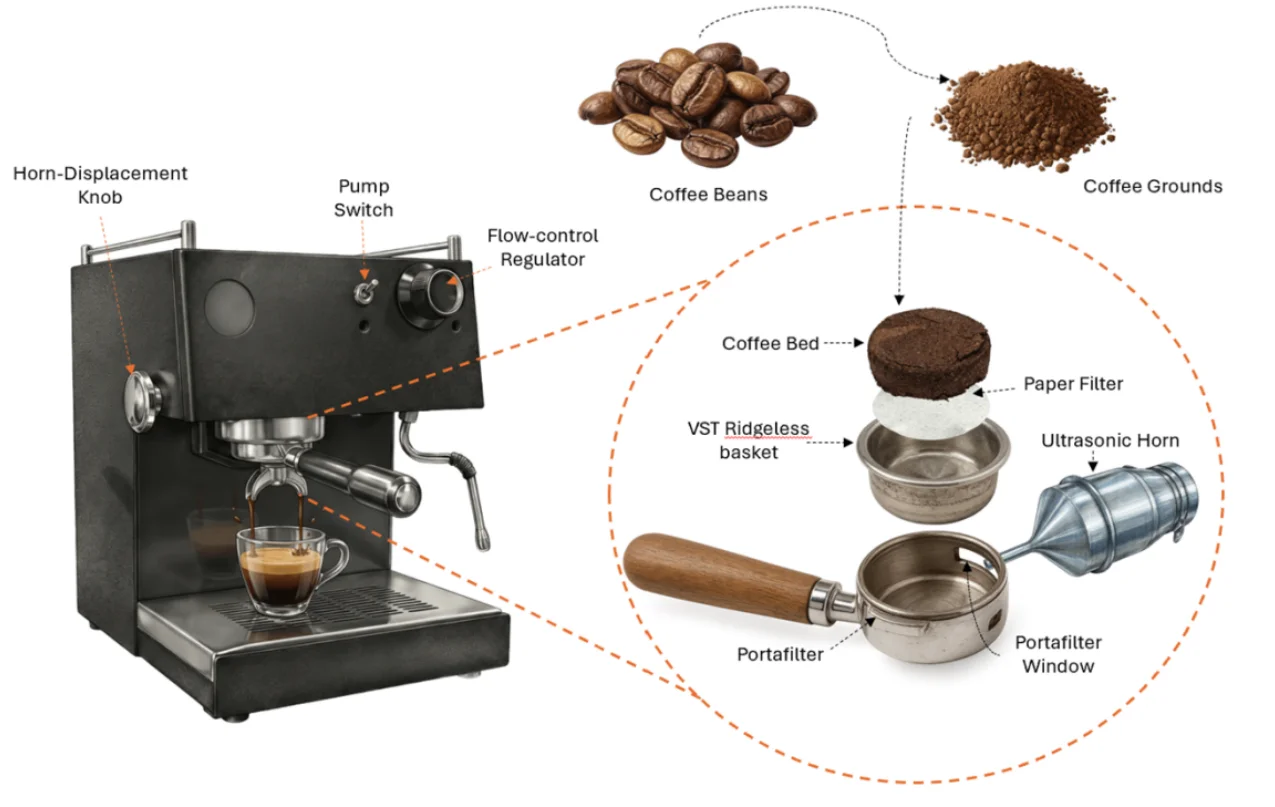
UNSW espresso research in Kensington has produced a room-temperature brewing method that uses ultrasonic sound waves to make concentrated coffee comparable with traditional espresso while cutting energy use by up to 75 per cent.
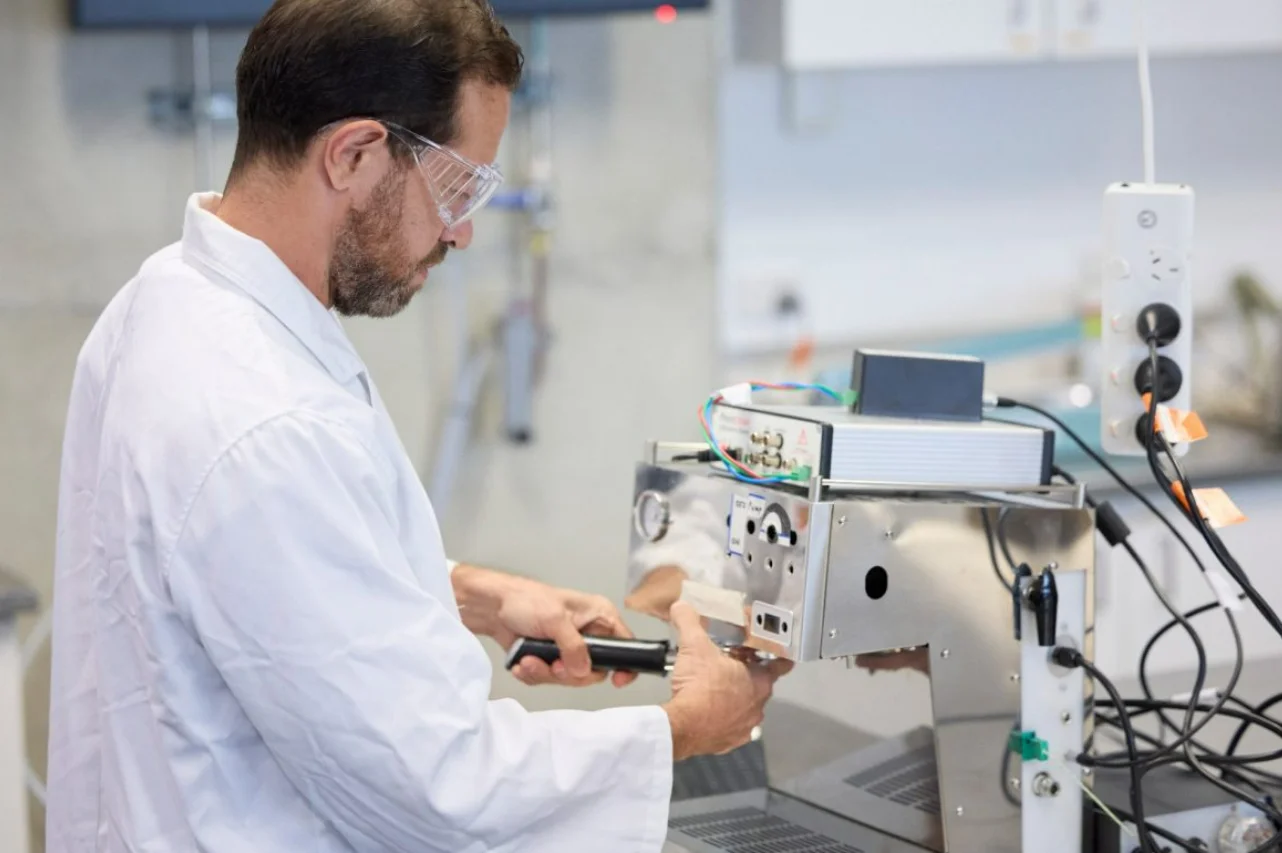
Researchers from UNSW Sydney’s School of Chemical Engineering developed the process as an alternative to the hot water and pressure traditionally used to extract espresso.
The system sends high-frequency sound waves through ground coffee and room-temperature water, helping to release flavour, aroma, oils and caffeine. It can produce an espresso-strength drink in about two-and-a-half to three minutes.
The research, published in the Journal of Food Engineering, follows earlier work by the team on an ultrasonic cold-brew process. That method reduced a brewing process that commonly takes between 12 and 24 hours to as little as three minutes.
Cold brew, however, has a different flavour and a substantially lower caffeine concentration than espresso. The researchers therefore adjusted the system to produce a stronger and more concentrated drink without heating the water.
Photo Credit: UNSW Sydney
How UNSW Espresso Research Works
A traditional coffee filter basket was adapted to act as an ultrasonic reactor. A small metal transducer placed against the basket generates sound waves beyond the range of human hearing, causing the basket, coffee grounds and water to vibrate rapidly.
The vibrations create acoustic cavitation, in which microscopic bubbles rapidly form and collapse in the liquid. Near the coffee particles, the collapsing bubbles pit and fracture the grounds, allowing soluble compounds to enter the water more quickly.
Researchers examined factors including the amount of water used for each gram of coffee, the fineness of the grind and the length of time the ultrasound was applied. A finer grind accelerated extraction, while a brewing time of between two-and-a-half and three minutes produced the most balanced result.
One test used 20 grams of coffee to produce a 40-gram drink. Room-temperature water was passed through the coffee bed in five intervals during the two-to-three-minute brewing cycle.
Regular Coffee Drinkers Compare The Results
About 100 people who drank coffee at least once a week participated in a randomised sensory test. They were everyday consumers rather than trained coffee assessors.
Four drinks were prepared: traditional espresso, ultrasonic espresso, traditional filter coffee and ultrasonic filter coffee. Each was freshly made, cooled to the same temperature and served in identical coded cups presented in a random order.
Participants rated aroma, flavour, bitterness and overall enjoyment on a nine-point scale. The traditional and ultrasonic espresso samples recorded no significant differences across the tested measures, with most participants unable to distinguish reliably between them and no clear preference emerging.
The ultrasonic filter coffee performed more strongly than its traditionally brewed counterpart. Participants gave it a higher overall rating and assessed its bitterness more favourably.
Photo Credit: UNSW Sydney
Industrial Coffee Production Offers A Larger Use
Removing the need to heat brewing water reduced energy consumption by up to 75 per cent. While the process could be incorporated into an automatic machine for household use, the researchers identified larger-scale coffee production as its main potential application.
The system can produce concentrated coffee for ready-to-drink products or create a concentrate that can be transported and later diluted for cold brew and milk-based drinks.
Scaling the method for industrial production could allow manufacturers to reduce both processing time and the energy required to prepare concentrated coffee.
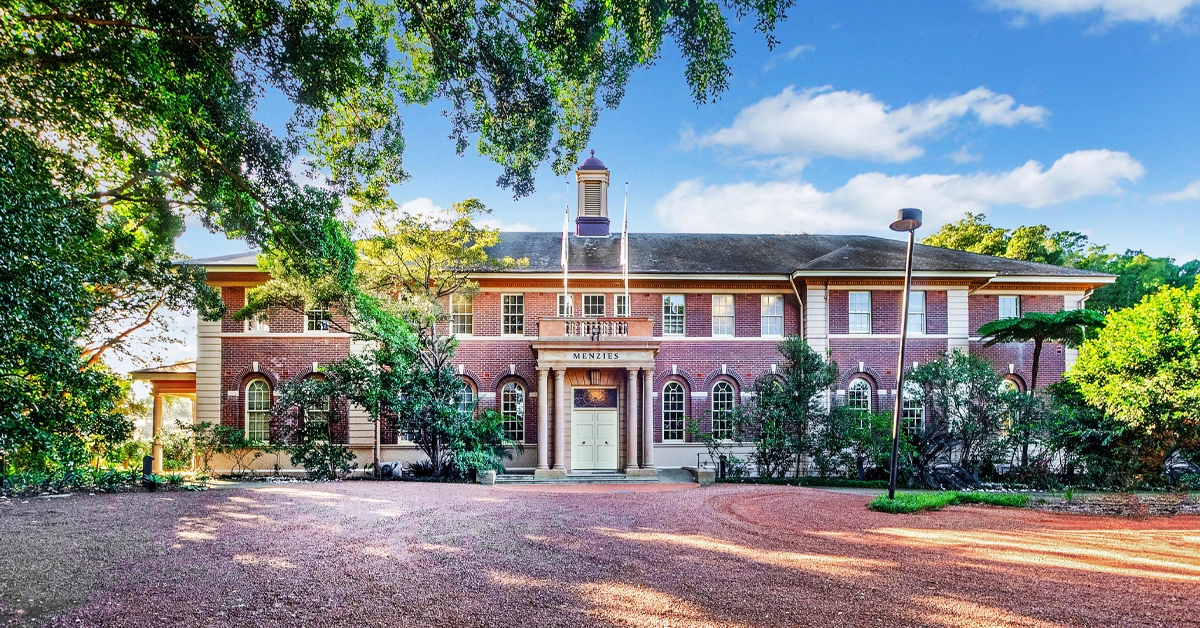
One of Kensington’s most distinctive addresses — a century-old heritage building on Todman Avenue that locals have taken to calling “Kensington Palace” — has come to market with a price guide of $15 million, with the auction set for 11 August.
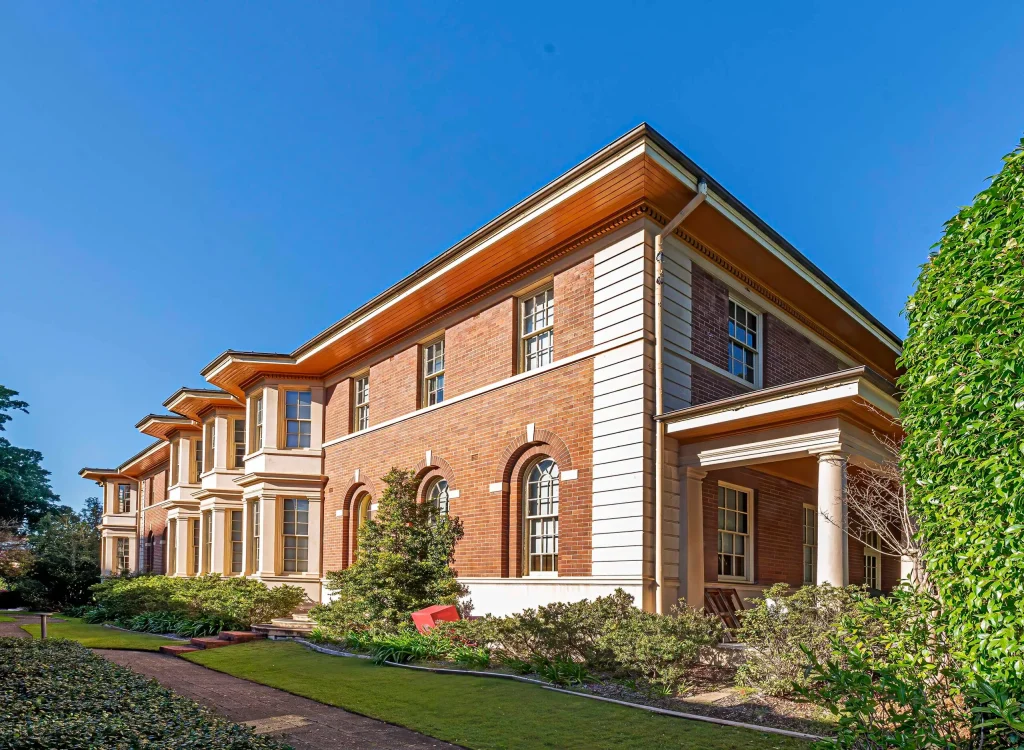
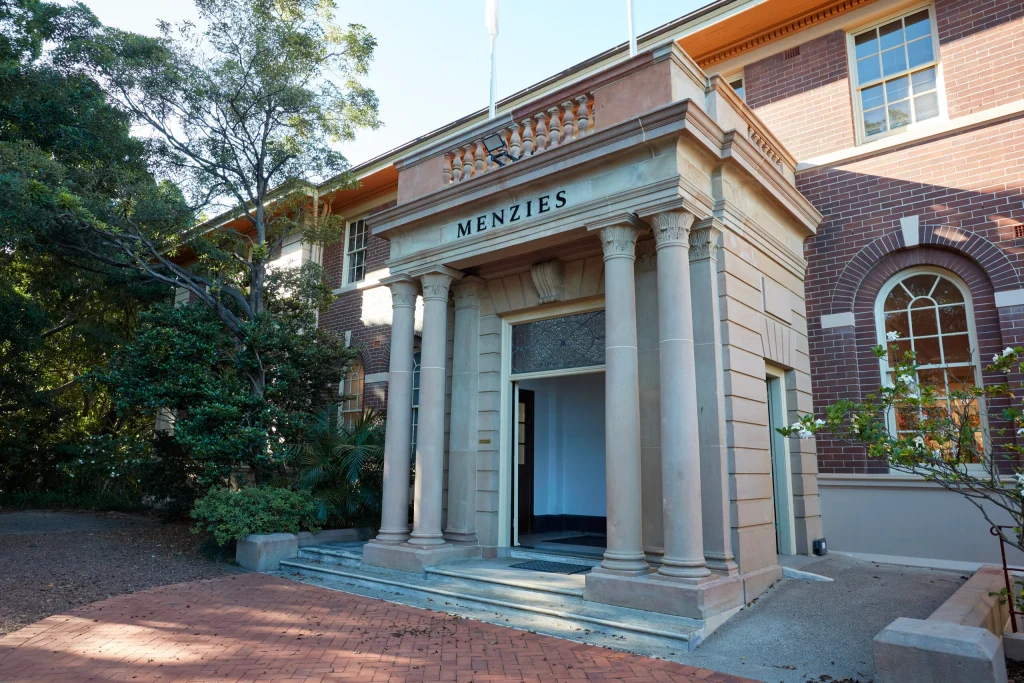
The property at 12 Todman Avenue sits on a substantial 2,557-square-metre block and carries with it a layered history that stretches back to the early days of the suburb itself. The building was constructed around 1926 in the Georgian Revival style and was designed by architects Joseland and Gilling, originally serving as the administration building for British tobacco company WD & HO Wills. The WD & HO Wills factory had opened on Todman Avenue as far back as 1902, and the broader site eventually became the Raleigh Park residential neighbourhood following the factory’s closure in 1989.
The building’s classical facade — featuring columns, arched windows, and a signature cupola — has since taken on an entirely different chapter. Menzies Art Brands, one of Australia’s major fine art auction houses, used the Kensington premises as its Sydney base. The business was founded by entrepreneur Rod Menzies, who passed away in April 2022. Now his son Cameron Menzies, who heads the Menzies Group, has decided to shift the company’s focus to Melbourne, making the Todman Avenue property surplus to requirements.
For those who follow the Australian art world, the address will ring a bell. Over the past 25 years, significant volumes of fine art and memorabilia have changed hands at auction within its walls. The gallery at 12 Todman Avenue, Kensington, hosted notable Menzies auctions, including a single-lot sale for contemporary artist Del Kathryn Barton. Menzies’ Melbourne gallery is now located at 1 Darling Street, South Yarra.
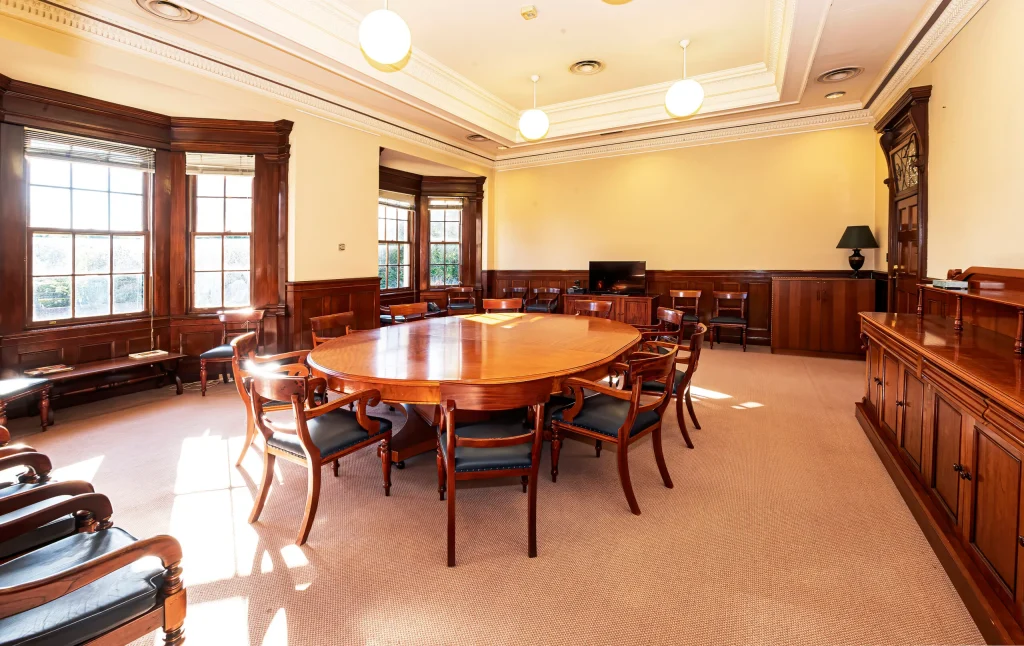
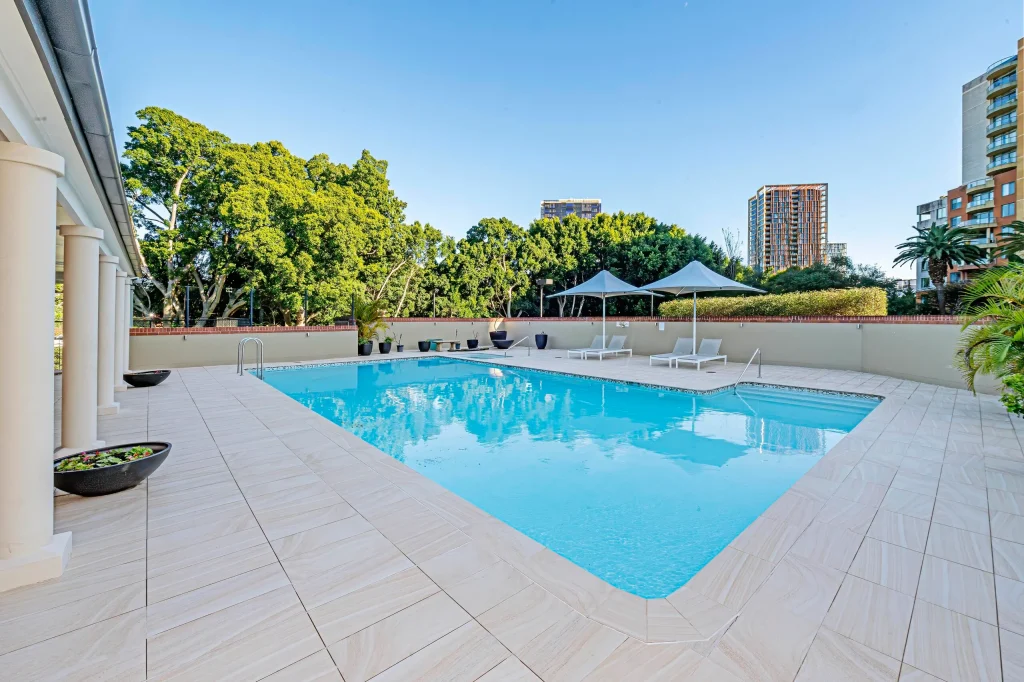
The property itself is considerable in scale. It offers more than 1,000 square metres of internal space across three levels, including a large basement, a boardroom, and three original walk-in safes — features that speak to its commercial past. There is also a private car park accommodating at least 21 vehicles, and access to shared tennis court, swimming pool, and barbecue facilities at the Raleigh Estate next door.
Listing agent Peter Anderson of Peter Anderson Real Estate says the building’s approval history opens the door to a wide range of potential uses — including as a medical facility, a combined live/work space, or even conversion to a grand private residence. He describes it as genuinely hard to categorise, given its blend of heritage character, generous footprint, and multipurpose approvals.
The property is positioned opposite Raleigh Park and is within walking distance of Kensington Public School, the East Village shopping centre, and the Moore Park Supa Centre.
According to title records, the benchmark for multi-use amalgamated sites in Kensington was set in 2024, when 153–157 Anzac Parade sold for $20 million. The Todman Avenue listing carries a $15 million price guide, though Anderson noted that the final figure would likely depend on the level of interest generated through inspections.
The property last changed hands in 2000, when Menzies Management Services acquired it for $2.95 million. Two decades on, the building is described as being in excellent condition throughout.
A UNSW Sydney study led from its Kensington campus has examined how mammals communicate over long distances, identifying the main factors that influence how far animal calls can travel.
The study was led by Dr Ben J.J. Walker, an Adjunct Fellow in the School of Biological, Earth and Environmental Sciences at UNSW Sydney’s Kensington campus.
It analysed long-distance vocalisations from 103 mammal species using data compiled from 81 research papers. The findings were published on 11 March 2026 in the Journal of Mammalian Evolution.
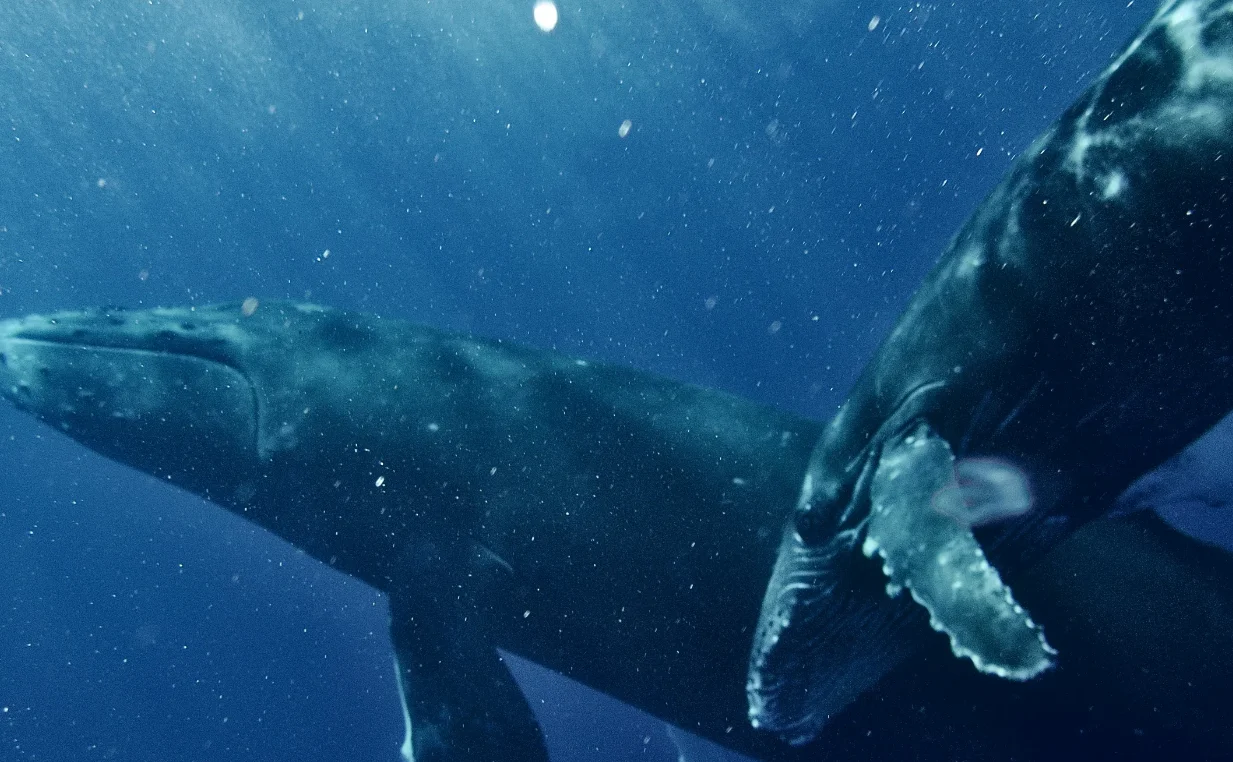
Species examined included lions, koalas, whales and humans, with the research focusing on how communication range varies across environments.
Photo Credit: UNSW Sydney
Different Drivers On Land And In Water
The findings identified a clear difference between terrestrial and aquatic mammals.
In marine environments, body size was the main influence on how far calls can travel. Larger mammals produce sounds that carry further. Blue whales, weighing about 150 tonnes, can generate calls that travel up to 1,600 kilometres in ideal conditions, while smaller mammals such as otters have calls that travel about one kilometre.
On land, communication distance is shaped by several factors. The size of an animal’s home range is a key driver, alongside habitat type, the purpose of the call, and whether the species is social or solitary.
Habitat And Behaviour Shape Outcome
Territorial calls were found to travel further than other call types. Social species also tend to communicate across longer distances than solitary animals.
Habitat also plays a role. Mammals living in dense environments such as rainforests were found to have relatively longer-distance calls than those in open landscapes like savannahs.
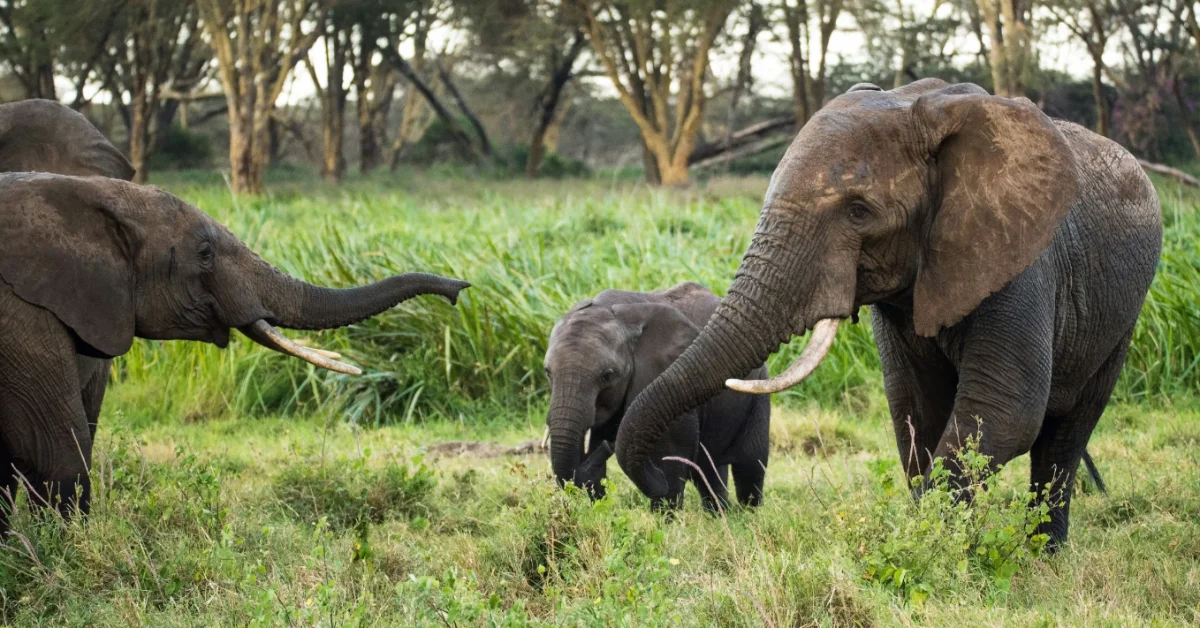
Examples highlighted in the study show variation between species. Lion calls can travel up to eight kilometres, while elephant infrasound may extend to around 10 kilometres. Koala calls, by contrast, reach approximately 150 metres.
Photo Credit: UNSW Sydney
Environmental Change And Communication Risks
The research indicates that changes to natural habitats may alter how animal calls travel. In cleared environments, sound may carry further than intended, which may increase exposure to predators.
For species adapted to dense vegetation, this shift may create additional risk by changing how their calls function within their environment.
In marine environments, changes in body size linked to environmental pressures may also affect communication. Some whale species have shown reductions in size over time, including a reported 7.3% decrease in maximum body length for North Atlantic right whales since 1981. The study suggests smaller body size may reduce how far calls can travel.
Applications For Biodiversity Monitoring
The findings may support biodiversity monitoring by improving interpretation of acoustic data. Understanding call distance can assist in estimating how far away an animal is and whether multiple individuals are present in recordings.
These insights may assist researchers and field observers in identifying species through sound.
The Kensington-led UNSW Sydney study highlights distinct patterns in animal communication across land and water. The findings also point to how environmental changes may influence these systems, with further research expected to expand to other animal groups.
Kensington continues to see steady residential growth, with several apartment developments reshaping parts of the suburb as the year draws to a close. Among the most advanced is The Kensington, a major project on Anzac Parade that is set to add 142 new homes to the area when it is completed in early 2026.
The eight-storey building recently passed a key construction milestone, marking visible progress after months of groundwork and early building stages. While not the only project underway in Kensington, it has become a clear marker of the suburb’s ongoing transition.
A Suburb in Transition
Apartment development has been a growing feature of Kensington in recent years, particularly along major corridors such as Anzac Parade. Proximity to public transport, education precincts and employment hubs has made the suburb a focus for medium-density housing.
Planning approvals across Kensington have aimed to balance increased housing supply with existing neighbourhood character, a conversation that has continued as more projects move from approval into construction.
The Kensington Project
The Kensington development illustrates the scale of change taking place. Once complete, the project will deliver 142 apartments in a single building, making it one of the larger recent additions to the local housing stock.
Construction reached an important stage earlier in the spring, allowing work to progress beyond early structural phases. As of mid-December, activity on site remains ongoing as the project moves toward internal works and finishing stages. Move-in is projected in mid-2026.
What This Means for Locals
The increase in apartment living is expected to bring more residents into Kensington, with flow-on effects for local shops, transport services and public spaces. For long-term residents, the changes are part of a broader pattern of infill development across Sydney’s inner suburbs.
At the same time, council and planners have acknowledged the importance of managing construction impacts and infrastructure demand as population density increases.
With projects like The Kensington progressing toward completion in early 2026, further changes to the suburb’s streetscape are expected over the coming year. While individual developments come and go, together they reflect a continuing shift in how Kensington grows and adapts to housing demand.
A $250 million mixed-use development in Kensington has reached its structural milestone, marking progress toward the completion of 142 new apartments and retail spaces along Anzac Parade.
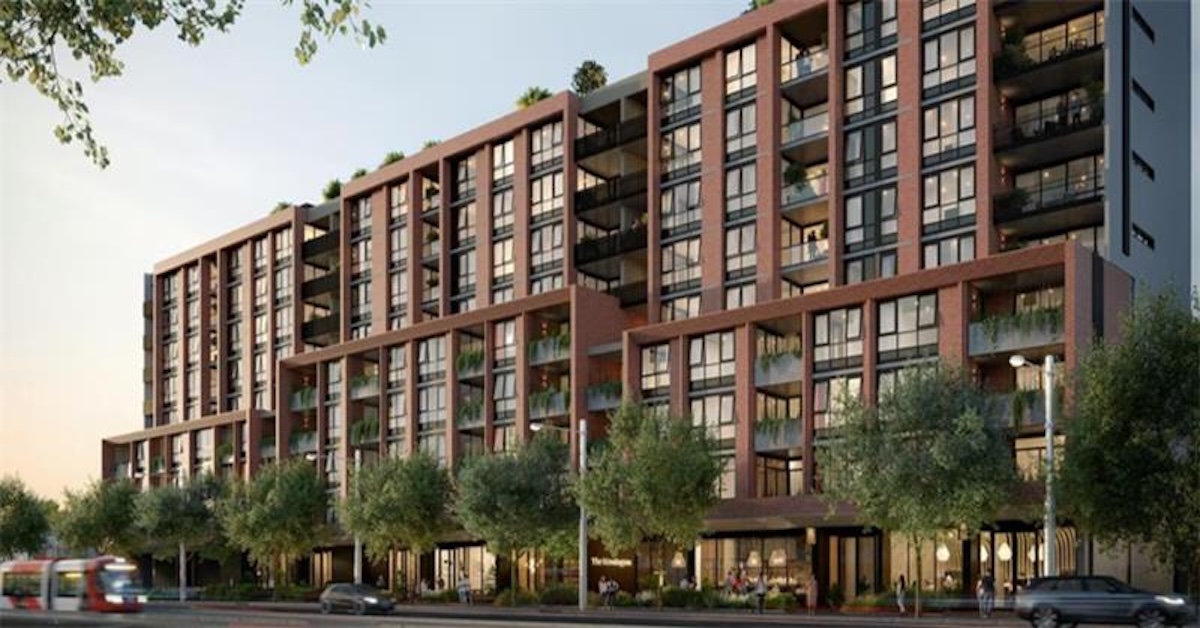
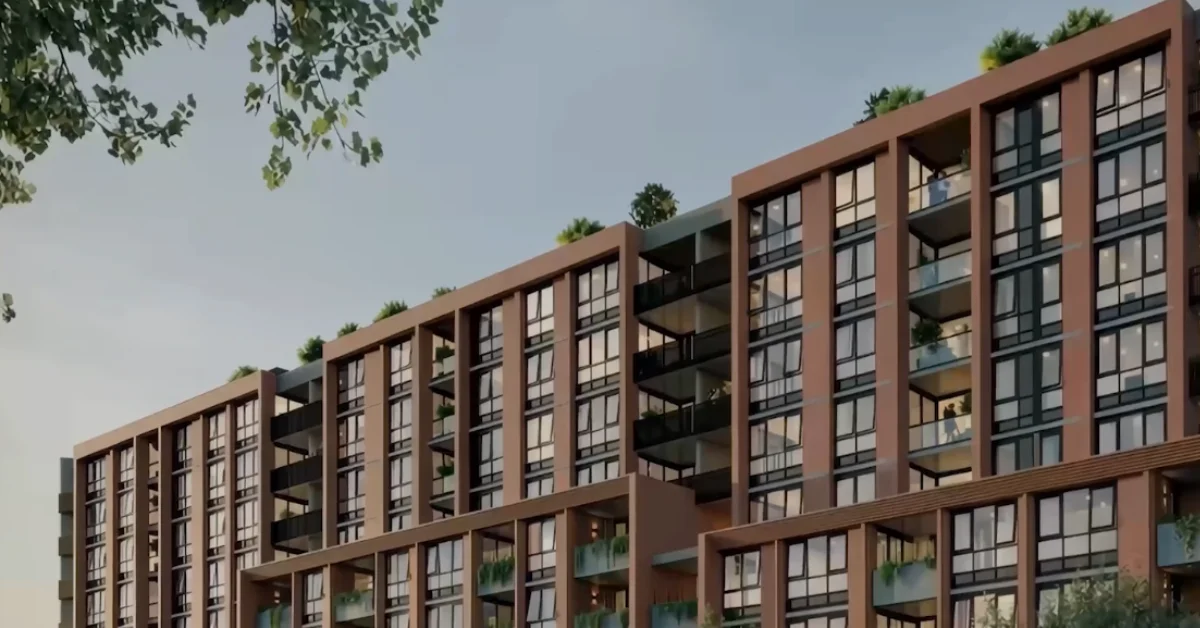
Construction of The Kensington, developed by TOGA, has reached its topping-out stage, signifying the completion of the building’s main structure. The project is scheduled for completion in early 2026 and will feature a mix of one-, two-, and three-bedroom apartments, along with dual-level SOHO residences that integrate workspace and home living.
The eight-storey development includes ground-floor retail and hospitality tenancies designed to activate Anzac Parade and contribute to the suburb’s growing high-density character.
Photo Credit: The Kensington
Expanding Housing Options in Kensington
Kensington continues to evolve into a higher-density, transit-oriented precinct following major infrastructure and commercial upgrades along the light rail corridor. The suburb has attracted over $1 billion in public and private investment, strengthening its role in addressing Sydney’s increasing housing demand.
Under the NSW Housing Accord, Randwick Council has set a target of 4000 additional dwellings by 2029. Kensington, currently home to about 59,000 residences, contributes to this growth as new developments increase local housing availability.
Photo Credit: The Kensington
Design and Amenities
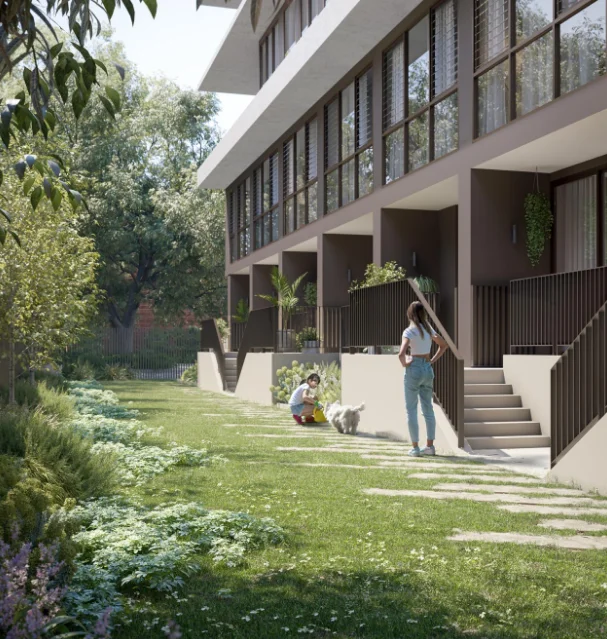
The Kensington will offer a range of shared amenities including co-working spaces, social lounges, a games room, library, and a rooftop terrace with city views. Residents will also have access to landscaped communal areas designed to encourage connection and flexibility in modern urban living.
The building’s design was led by Turner Architects, with interiors by Richards Stanisich. Both firms focused on functionality, open layouts, and a seamless transition between indoor and outdoor spaces.
Market Conditions and Demand
Colliers has identified Kensington as one of Sydney’s most supply-constrained apartment markets, with vacancy rates sitting below 2 per cent. Market data varies across sources, with one report noting a 15.4 per cent decline in rents since late 2024, while another recorded a 20 per cent rise over the past year, reflecting differing market snapshots.
Despite this, interest remains high among investors, downsizers, and young professionals drawn to the suburb’s proximity to UNSW, the Randwick Health Precinct, and nearby beaches.
Photo Credit: The Kensington
From Hotel Site to Residential Precinct
The site previously operated as the Addison Hotel before being repurposed as a temporary homeless shelter and later as an OzHarvest supermarket. Its redevelopment into The Kensington marks the site’s transformation into a long-term residential and commercial precinct aligned with the suburb’s broader renewal.
Construction is approaching completion, with apartments expected to be ready for occupancy by early 2026. Once finished, The Kensington will add to the suburb’s growing housing stock and strengthen Kensington’s position as a key growth hub within Sydney’s eastern suburbs.
We’ve combed Kensington for the best reviewed restaurants in the area where people waxed lyrical about their dining experience and what they love most about it. Here’s our list!
Luca Muffato ⭐⭐⭐⭐⭐ I recently ordered from Fana’s Italian Pizzeria in Kensington, and I was seriously impressed. After 5 years living in Sydney, this is without a doubt the best Italian food I’ve had. The pasta with saffron and sausage was absolutely delicious — rich, flavourful, and cooked to perfection. The owners are incredibly kind and genuine, and the prices are more than fair for the quality. A true hidden gem — I’ll definitely be ordering again! Can’t wait to try their pizza.
shukla stutii ⭐⭐⭐⭐⭐ I’m from India and love spicy food. I let the chef pick a vegetarian pasta for me, requesting it be spicy with a creamy sauce. The result was fantastic! The pasta was perfectly cooked, and the sauce had just the right amount of spice. The chef did a great job blending traditional Italian flavors with the heat I love. Highly recommend this place for anyone looking for a tasty, spicy meal!
Charis Revo ⭐⭐⭐⭐⭐ the spaghetti was good, the taste is immaculate, also friendly store owner give me a free dessert. One thing i wish more is the portion, but anyway it js delicious.
George Nassour ⭐⭐⭐⭐⭐ A Delightful Culinary Experience at Lucio BarI recently had the pleasure of visiting Lucio Bar, and I must say, the experience was nothing short of extraordinary. The level of craftsmanship and attention to detail in the food is truly commendable.First, let’s talk about the sandwich. It was incredibly aromatic, with a perfect balance of flavors. The bread was thin and crunchy, providing just the right amount of texture to complement the fillings. Every bite was a joy, leaving me wishing it would never end.Next, the Caffè del Nonno was a privilege to have. It was smooth, rich, and indulgent—exactly what you would expect from a classic Italian coffee. It’s not just a drink; it’s an experience that wraps you in warmth and comfort.Finally, we ended our visit with a pastry that was, without a doubt, one of the crunchiest and most flavorful I’ve ever tasted. The filling was top-notch, bursting with rich, niche flavors that perfectly capped off our meal.In conclusion, Lucio Bar offers a culinary experience that is both sophisticated and satisfying. The care and skill that go into each dish are evident, making it a place I would highly recommend to anyone who appreciates fine food and a well-crafted dining experience.
Philip Lo ⭐⭐⭐⭐⭐ Very, very good coffee – definitely the best in the area by a miles length. Beautifully polished interior fit out with several small tables perfect for alfresco dining on a nice sunny day. Great pastry and cake selection. Their paninos are great if you’re after something light and not too heavy.
Robert Casarotto ⭐⭐⭐⭐⭐ Excellent service and coffee. Casual laid back atmosphere which is ideal for your neighbourhood cafe. Simple, quality food offerings which are delicious.
Data Datum ⭐⭐⭐⭐⭐ The servers are friendly, and kind. They always have a smile on their faces and even offered a very good spot in their restaurant near the AC when it was hot. The food are also good with good portion sizes. The restaurant itseld has a nice Western rustic feel.
Tula PAPPATHOPOULOS ⭐⭐⭐⭐⭐ Stable talk is hands down the best cafe in Kensington! The coffee is the best I’ve had and chocolate chip muffins are superb, and now that they are open for dinner I love popping in for a burger. The service is incomparable to anywhere else. Everyone in there is always happy to see you and has a smile on their face!
daria poleshchuk ⭐⭐⭐⭐⭐ really great food and service. the girl at the front is very sweet and welcoming, and the owner is also a heartwarming and welcoming. food is great, the chips are very crispy and the burgers are saucy.
Paul O’Brien ⭐⭐⭐⭐⭐ It’s always nice to find a new local restaurant. We tried the Sate Ayam and Nasi Kuning Komplit. Great taste and portion size. We were impressed! Luke and Yanti were very welcoming, ensuring our visit was an enjoyable one. We look forward to visiting again soon. I’ve attached the 2025 menu and prices as listings show old menu prices.
Tasha Crawford ⭐⭐⭐⭐⭐ This food is so yum! This is the place to go to for a hearty meal with a small group of people. Highly recommend the delicious Bakmi Ayam Komplit, very well priced and very filling!
Levina Esserry ⭐⭐⭐⭐⭐ I came here with family. We ordered Soto Betawi on Friday’s night. The portion was really generous. It was so tasty and full of tender meat inside. We also tried Otak-Otak with peanut sauce, so yummy! We left the place with a full tummy and feeling happy! We would come back here again for sure.. 🙂
Jessica L ⭐⭐⭐⭐⭐ As one reviewer aptly put it — no one comes here for the atmosphere, but for the food! And I absolutely love the food. It takes me back to my years working in Indonesia, a lifetime ago, and reminds me so much of the Padang meals I used to enjoy. The portions are generous and reasonably priced, and there’s always a great variety of dishes to choose from. My personal favorites? The goat curry, the rendang, the bakwan… and of course, the sambal ijo — so flavourful and nostalgic, I used to buy a little container to take home with me.
Muhammad Ikhsan ⭐⭐⭐⭐⭐ It has authentic flavors, which remind me of my hometown. It has a Padang restaurant atmosphere, which increases my appetite. The most fantastic thing about Pondok Buyung is its affordable prices and significant food portions. It is very recommended for you who are craving Padang food.
Aryeh Sternberg ⭐⭐⭐⭐⭐ Honest to goodness Indonesian food, the kind you would expect to find on the streets of Jakarta. The spice is full force, and the flavors abound. I highly recommend checking this place out as they always shift the different dishes and they are always fresh and delicious. Don’t let the grudge fool you, this is the true delicious.
A major research facility in Kensington has marked 25 years of supporting scientific advances, with the UNSW Ramaciotti Centre for Genomics celebrating its longstanding role in Australian genomics.
On 17 June 2025, the Ramaciotti Centre for Genomics at UNSW Kensington hosted an event commemorating 25 years since its establishment. The occasion united past directors, senior university leaders, collaborators, and stakeholders.
Attendees included Emeritus Professor Ian Dawes, Professor Vanessa Hayes, and Dr Marjorie O’Neill, Member for Coogee. Representatives from Bioplatforms Australia were present. Current and former staff, Centre’s steering committee members, and other research partners were also in the venue.
Dr O’Neill noted that the Centre demonstrates the long-term benefits of bipartisan investment in science and innovation. This contributes to biomedical and public health capabilities across the state.
The Ramaciotti Centre is located on the second floor of the Biological Sciences South Building (E26) at UNSW in Kensington. It began operations in 2000, following its foundation in 1999. Since then, it has grown into the largest university-based genomics facility in Australia. The facility supports scientific research across various disciplines, including conservation, agriculture, and health.
Scientific Contributions and Reach
The facility has processed more than 1.2 million biological samples and supported over 500 research groups globally. Notable contributions include sequencing the bilby genome in 2024 and supporting a 2018 koala genome study. The Centre also played a role in the ASPREE clinical trial and partnered with the University of Sydney on research addressing prostate cancer health disparities.
Photo Credit: Ramaciotti Centre for Genomics/Instagram
Focus on Technology and Sustainability
The Centre was one of the first in the country to carry out large-scale human genome sequencing. This was under the leadership of Professor Marc Wilkins between 2011 and 2022. The Centre consistently adopted emerging genomic technologies while maintaining a sustainable operational model. Its integration of innovation and practical delivery has made it a central part of the national research infrastructure.
Photo Credit: Ramaciotti Centre for Genomics/Instagram
Current Director Associate Professor Martin Smith stated that the Centre will continue adapting to advances in genomic science. Its future focus will include precision medicine, sustainable agriculture, and environmental resilience. UNSW leadership reaffirmed their commitment to the Centre’s evolving role in supporting science outcomes nationally and globally.
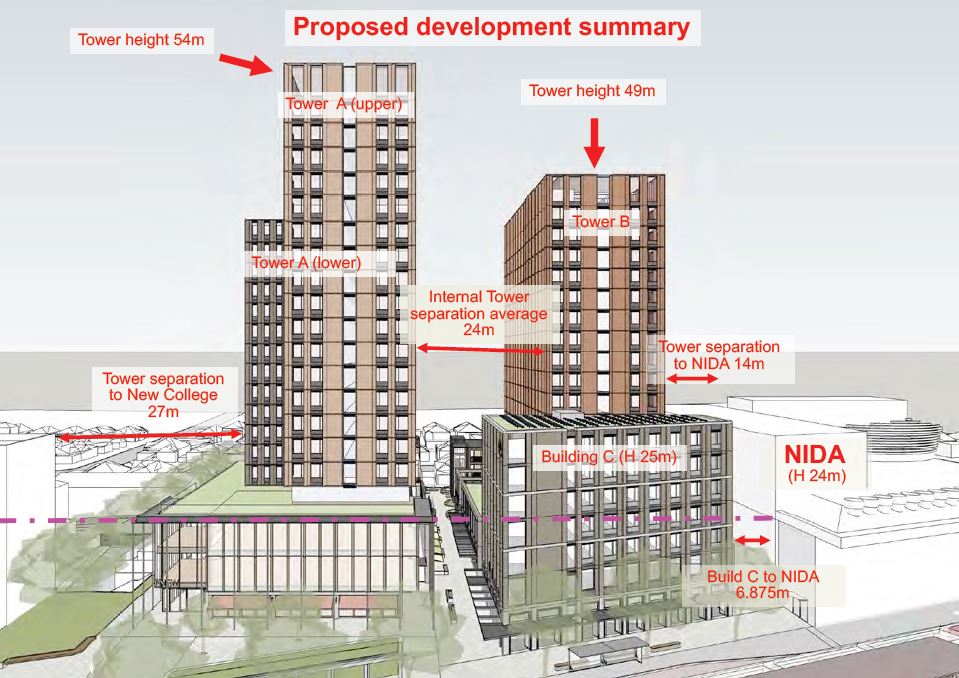
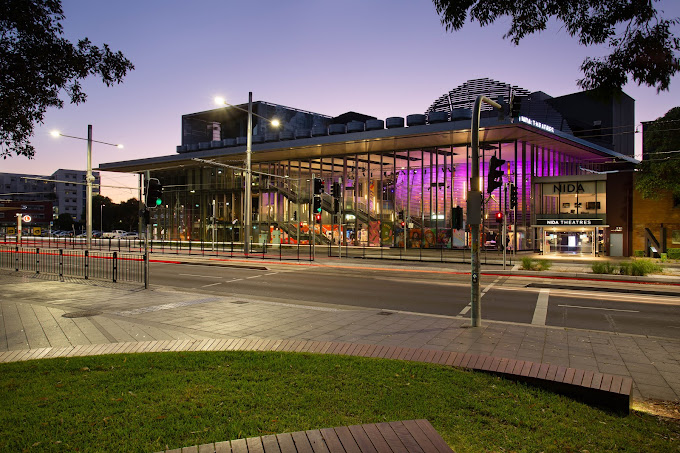
The National Institute of Dramatic Art (NIDA) in Kensington has expressed concerns regarding the University of New South Wales (UNSW) expansion plans. The proposed development would add 881 new student rooms opposite NIDA’s main entrance.
NIDA CEO Liz Hughes has stated that the development could significantly impact the institute’s operations. The organisation estimates that associated costs could represent more than a third of its annual budget and potentially affect the use of several teaching spaces.
The project’s origins trace back to May 2023, when UNSW submitted a Development Application for the redevelopment of its Western Car Park on Anzac Parade.
Proposed development (Photo credit: nida.edu.au)
The initial proposal for 1,066 rooms across five buildings, with structures up to 23 storeys tall, has since been revised. Following input from Randwick Council and the Sydney Eastern City Planning Panel, the current plan includes 881 rooms, with the tallest buildings reduced to 16 storeys.
NIDA reports that UNSW is set to lease the adjacent car park site to property developer Iglu for 99 years, in a deal reportedly worth $168 million. The proposed development on this site is expected to include not only student accommodation, but also commercial and retail spaces.
Ms Hughes has requested that the panel defer its decision and refer the application to NSW Planning Minister Paul Scully for additional review. She cited potential implications for NIDA’s future operations as the reason for this request.
Photo credit: NIDA – National Institute of Dramatic Art/Google Maps
NIDA’s concerns include the loss of nearby drop-off zones for visitors and limited parking during the estimated 3-5 year construction period. The institute also anticipates that construction activities could impact the use of teaching theatres, music studios, and sound studios, including spaces used by Master of Fine Arts students.
Several NIDA alumni, including actors Richard Roxburgh, Heather Mitchell, Sigrid Thornton, and Rob Collins, have voiced support for the institute’s position.
While recognising the demand for student housing, Ms Hughes stated that the development should not impede NIDA’s ability to operate. The institute serves its students and staff, as well as approximately 100,000 community members who visit annually.
The Sydney Eastern Planning Panel is now tasked with considering the various aspects of this development proposal in Kensington.
Developers are set to transform a quaint street in Kensington by demolishing three single-storey homes to make way for a $21.6 million high-rise apartment complex near a major transport hub.
Town planner Planning Ingenuity has unveiled plans for a new residential complex at 6-10 Bowral St, Kensington, which includes two high-rise towers of 10 and eight storeys. The development site, strategically positioned less than 300 metres from the Kensington Light Rail stop, benefits from its proximity to the University of NSW, Centennial Parklands, and Moore Park.
The proposed development, DA 208/2024, would bring 34 new apartments to the area, comprising a mix of one to four-bedroom layouts. Ground Ink architects, involved in the project, have highlighted the site’s prime location for significant development due to the recent introduction of the light rail corridor.
This development initiative follows a series of major projects in Kensington and its surrounding suburbs.
Notably, last year, the Randwick Council approved a $52-million student housing project along Anzac Parade while construction commenced on TOGA’s $180-million mixed-use residential hub in the same suburb. These projects follow a controversial proposal by billionaire developer Harry Triguboff that faced community pushback in Zetland.
A previous proposal for a nine-storey building on the same site was rejected by the Land and Environmental Court in 2022, primarily due to concerns over the building’s height exceeding local limits by nearly 10 metres.
The current proposal, which suggests eight and ten storeys structures, aims to replace three Federation-style homes, which, while not heritage-listed, are part of a community with several protected buildings.
A heritage impact statement has been issued, noting potential conflicts between the new development’s scale and the surrounding area’s historical character.
Potential Impact and Benefits
The developers argue that the new towers would increase housing stock and offer substantial social benefits by providing diverse housing options close to essential services and public transport.
Approval of this project could significantly alter Kensington’s landscape and social fabric, marking another step in the suburb’s ongoing transformation driven by urban development and infrastructure enhancements.